Montenegro's EU Accession Hurdle Signals Challenges for Ukraine
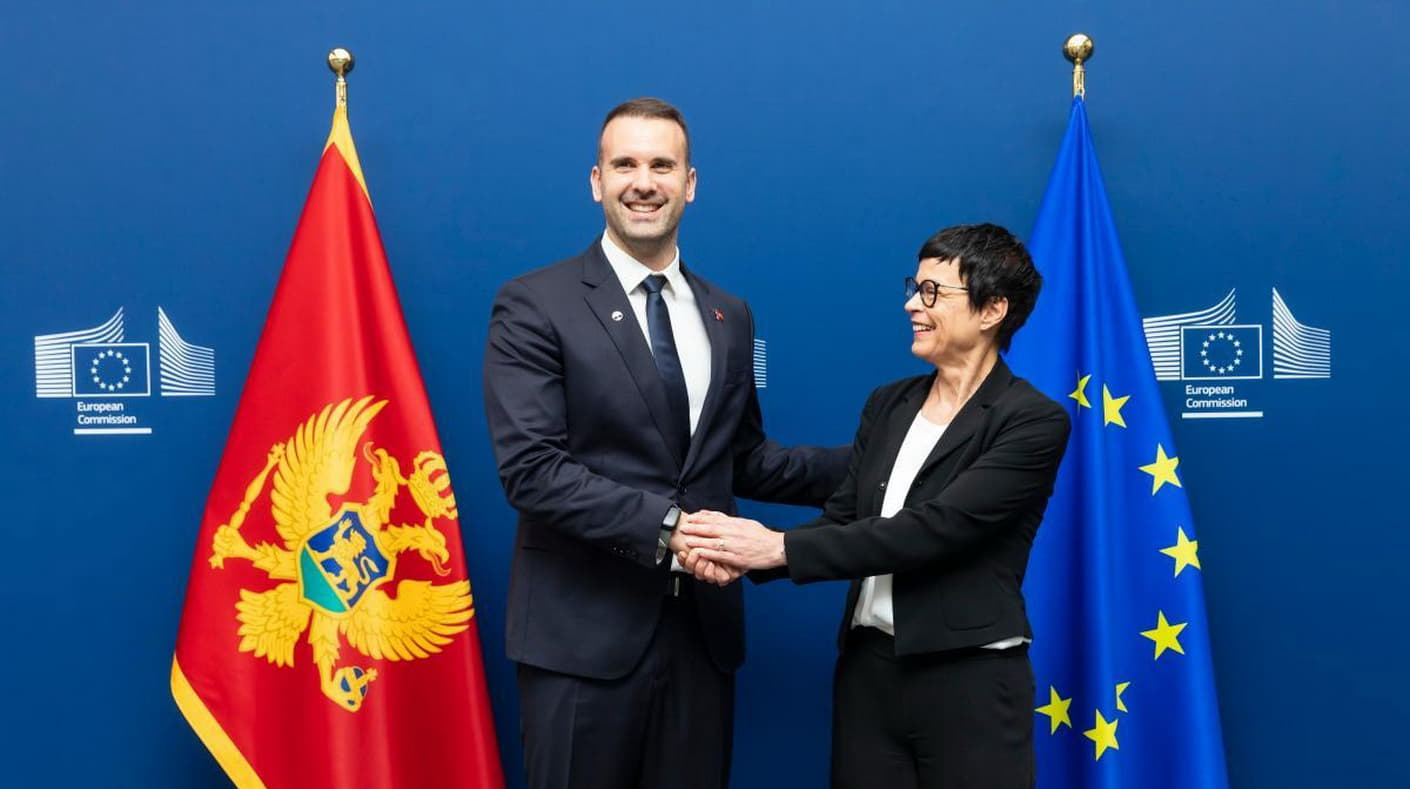
The European Union faces a significant test as Montenegro's path to full membership is complicated by unresolved territorial disputes with Croatia. The EU risks incorporating another internal conflict between member states if these issues are not fully settled before Montenegro's accession. This situation serves as a critical signal for Ukraine, highlighting the complexities and potential roadblocks it may encounter during its own EU integration process.
The unresolved territorial questions between Croatia and Montenegro present a dilemma for the EU. Allowing Montenegro to join without a final resolution could lead to a precedent where new member states bring existing bilateral disputes into the bloc. This could strain the EU's internal cohesion and complicate decision-making processes. Therefore, the handling of Montenegro's accession is being closely watched as an indicator of the EU's capacity to manage such sensitive geopolitical issues.
The EU's enlargement process is inherently complex, requiring not only the fulfillment of internal reforms by candidate countries but also the resolution of bilateral disputes with existing member states. The situation with Montenegro and Croatia underscores the EU's governance challenge: balancing the imperative of expansion with the need for internal stability. Failure to address such territorial issues robustly could incentivize future disputes among member states, potentially weakening the bloc's collective bargaining power and decision-making efficiency. For Ukraine, this serves as a clear indicator that its own accession trajectory will likely involve navigating intricate geopolitical relationships and territorial claims, demanding strategic diplomatic engagement alongside domestic reforms to ensure a smoother integration.
AI-generated to prompt reflection — not editorial opinion, not advice, not a statement of fact. How this works.