Montenegro's Government and Opposition Agree on Oversight Reforms
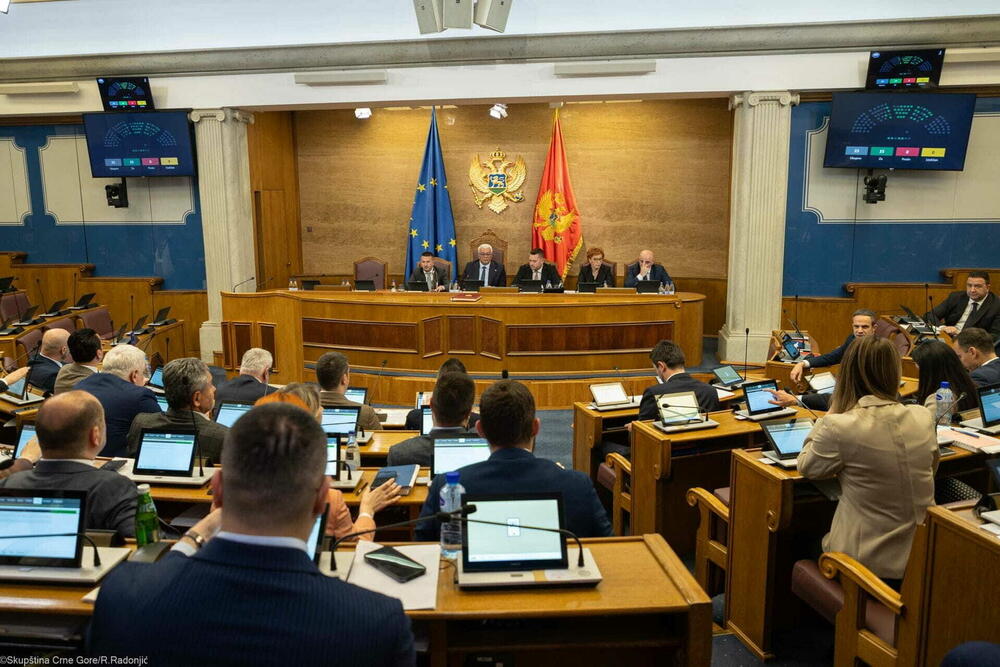
Montenegro's government and opposition have reached an agreement on reforms concerning oversight mechanisms, particularly regarding security matters. A key change is that the commission tasked with verifying security obstacles will no longer be formed solely by the Minister of Internal Affairs. Instead, the entire government will establish this commission, with input from the Security Committee. However, a proposal to include the Minister's deputy and a representative of the Ombudsman in the commission was not accepted. Additionally, the Director of the National Security Agency (ANB) will now need to seek approval from the President of the Supreme Court before accessing sensitive data and implementing certain surveillance measures. Previously, such explicit authorization was not required for these actions.
This agreement in Montenegro signals a move towards greater transparency and accountability in national security operations. By shifting the formation of the security obstacles commission from a single minister to the broader government and requiring judicial approval for sensitive data access and surveillance, the reforms aim to decentralize power and introduce checks and balances. These changes could mitigate risks associated with unchecked executive authority, particularly in an era where digital surveillance capabilities are rapidly advancing. The inclusion of the Supreme Court President in the approval process for ANB actions suggests a recognition of the need for judicial oversight in safeguarding civil liberties against potential state overreach, fostering a more robust democratic framework.
AI-generated to prompt reflection — not editorial opinion, not advice, not a statement of fact. How this works.