Montenegro's Investment Regime: Open for Business, Unprepared for Risks
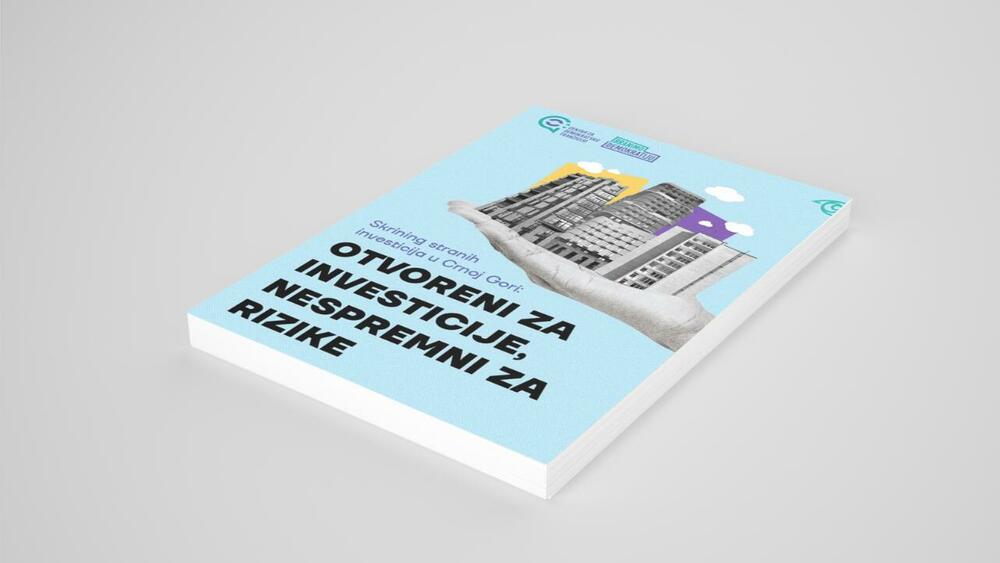
A new analysis by the Center for Democratic Transition (CDT) in Montenegro reveals a critical gap between the country's open approach to foreign investment and its preparedness to manage associated risks. The report, titled 'Screening Foreign Investments in Montenegro: Open for Investment, Unprepared for Risks,' highlights that the nation's investment policies have not been adequately complemented by robust mechanisms designed to safeguard the public interest. This suggests a potential vulnerability where economic opportunities might be pursued without sufficient safeguards against negative externalities or threats to national security and public welfare. The CDT's findings indicate a need for a more balanced strategy that prioritizes both attracting capital and ensuring that such investments align with Montenegro's long-term strategic goals and public good. The organization emphasizes that a proactive approach to risk assessment and mitigation is crucial for sustainable development and for protecting the country's interests in an increasingly globalized economy.
Montenegro's open investment framework, while potentially beneficial for economic growth, appears to lack the necessary institutional capacity for comprehensive risk assessment and public interest protection. This imbalance could expose the nation to unforeseen consequences, such as environmental damage, exploitation of resources, or undue foreign influence, without adequate recourse. Moving forward, developing sophisticated screening mechanisms and regulatory oversight will be crucial. This involves not only identifying potential risks but also establishing clear protocols for mitigation and enforcement, ensuring that foreign investment aligns with national development priorities and safeguards democratic values in the long term. The challenge lies in creating a system that fosters economic dynamism while maintaining sovereign control and public welfare.
AI-generated to prompt reflection — not editorial opinion, not advice, not a statement of fact. How this works.