Montenegro's Response to Extreme Heat: Air Conditioning Use and Climate Adaptation
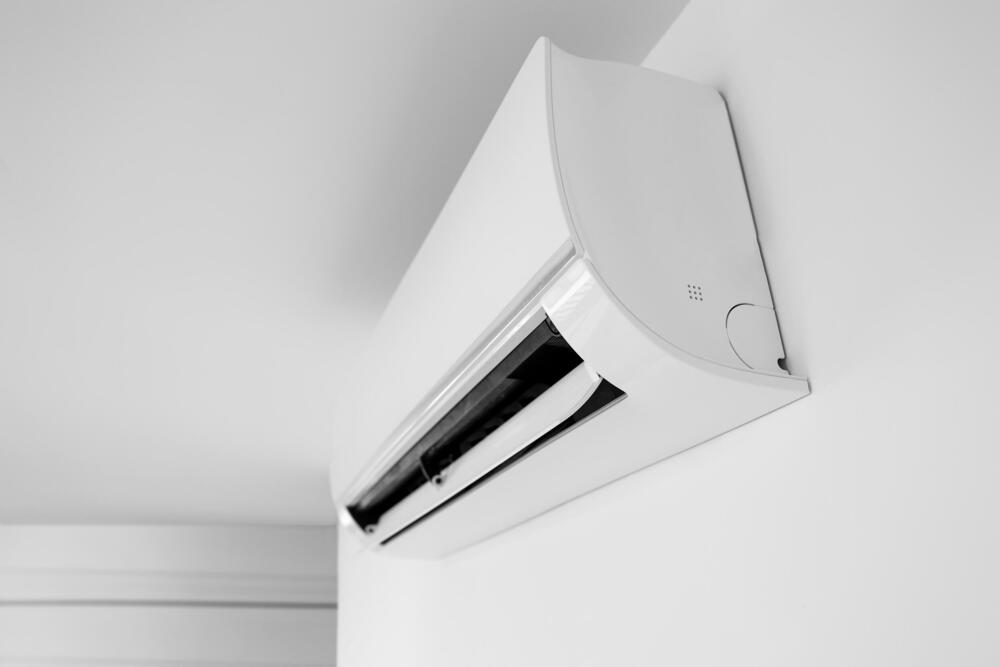
In Montenegro, a country accustomed to warm summers, air conditioning units are a common sight in nearly all public spaces, including libraries, offices, stores, and schools. This widespread adoption of air conditioning is seen as one method to better cope with increasingly extreme heat waves. However, the presence of these units does not signify that Montenegro has found a definitive solution to climate change. The extensive use of air conditioners also comes with an environmental cost. Despite these drawbacks, they are considered one of the tools that, alongside other adaptation measures, help make extreme heat more bearable for the population.
The widespread use of air conditioning in Montenegro, as a response to rising temperatures, highlights a common adaptation strategy globally. While providing immediate comfort, this reliance on cooling technology presents a significant challenge in the context of climate change mitigation. The energy consumption associated with air conditioners contributes to greenhouse gas emissions, potentially exacerbating the very problem they aim to alleviate. This situation underscores the complex trade-offs faced by nations in balancing immediate adaptation needs with long-term sustainability goals. Future strategies will likely require a multi-faceted approach, integrating technological solutions with policy interventions that promote energy efficiency and explore alternative cooling methods to foster resilience without increasing environmental burdens.
AI-generated to prompt reflection — not editorial opinion, not advice, not a statement of fact. How this works.