Montenegro's Visa Policy Sparks Russian Anger, Potential Capital Flight Concerns
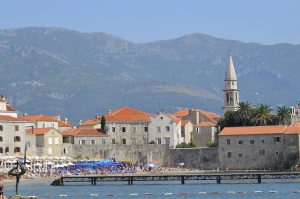
Montenegro's planned introduction of visa requirements for citizens of Turkey, Russia, Belarus, Saudi Arabia, and individual travelers from China is unlikely to halt existing investments but could significantly reduce new entrepreneurs, business arrivals, and property buyers. Small businesses and the housing markets in Podgorica and Budva are particularly vulnerable to these changes. Russian citizens are reportedly expressing anger over the new visa policy, raising questions about whether they will relocate their capital. The potential impact extends beyond tourism, affecting the broader economic landscape and investment climate within Montenegro. This policy shift may deter future business ventures and real estate acquisitions, potentially leading to a slowdown in economic growth. The government's decision could have far-reaching consequences for sectors reliant on foreign investment and entrepreneurship. The situation highlights the delicate balance Montenegro must strike between national security and economic openness. The long-term effects on foreign direct investment and the overall business environment remain to be seen.
Montenegro's proposed visa policy shift, targeting several nationalities including Russia, presents a complex interplay between national security objectives and economic incentives. While aiming to regulate entry, the policy risks deterring foreign investment and entrepreneurship, particularly impacting sectors like real estate and small businesses. The strong reaction from Russian citizens suggests a potential for capital outflow, which could have ripple effects on Montenegro's economy. Future policy decisions will need to carefully weigh the geopolitical considerations against the economic necessity of attracting foreign capital and talent. The long-term sustainability of Montenegro's economic model may depend on its ability to navigate these competing demands effectively, fostering an environment that is both secure and conducive to business growth in an increasingly interconnected global economy.
AI-generated to prompt reflection — not editorial opinion, not advice, not a statement of fact. How this works.