Montenegro Should Not Attend Events Linked to Ethnic Cleansing, Says Official
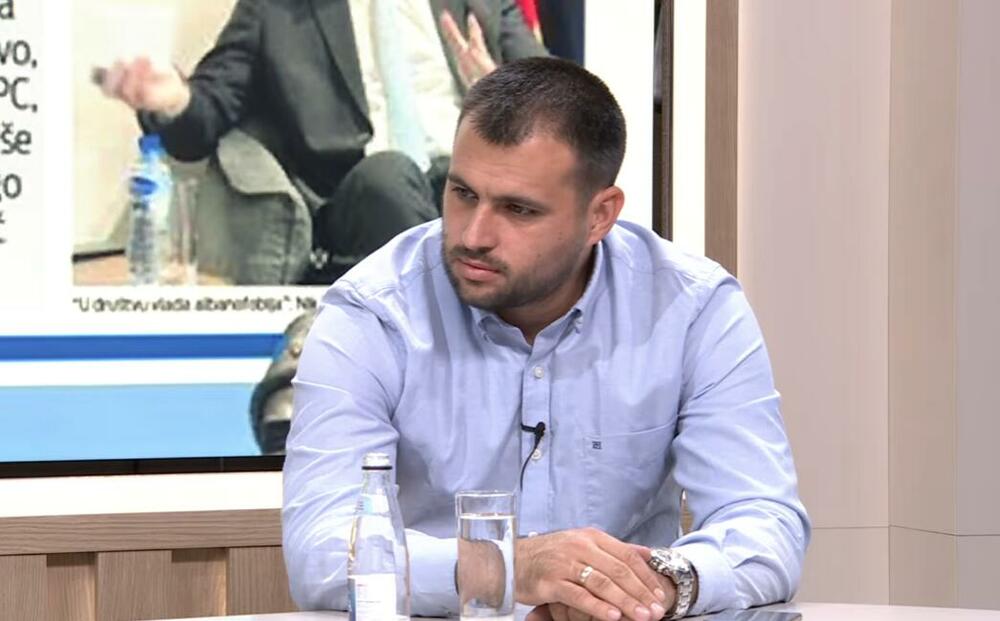
A Montenegrin official from the New Serb Democracy (NSD) has stated that the country should not send representatives to commemorate events widely considered ethnic cleansing. The official believes that Montenegro should not participate in any commemorations associated with significant human suffering and persecution. This stance suggests a prioritization of principles over diplomatic engagement in certain historical contexts. The NSD official's comments indicate a strong position against legitimizing or participating in events that could be interpreted as condoning past atrocities. The focus appears to be on upholding a moral stance regarding historical injustices. This statement implies a potential shift in foreign policy considerations, emphasizing ethical implications in international relations.
This statement highlights a tension between historical remembrance and contemporary diplomatic engagement. The official's call to boycott commemorations of events deemed ethnic cleansing reflects a desire to avoid any perceived endorsement of past atrocities. This approach prioritizes a principled stand on human rights and historical accountability. However, it raises questions about the role of international participation in fostering reconciliation versus the risk of legitimizing controversial historical narratives. The decision to attend or boycott such events involves complex considerations of national identity, foreign policy objectives, and the potential impact on regional relations in the coming decade.
AI-generated to prompt reflection — not editorial opinion, not advice, not a statement of fact. How this works.
