Montenegro urged to establish support services for war crime victims
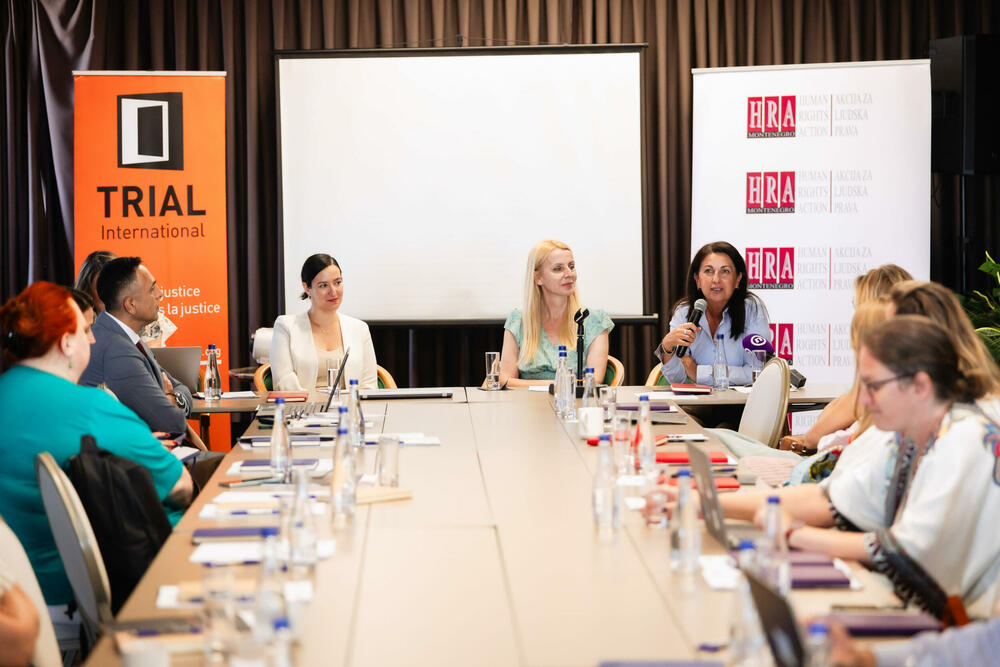
A new manual, presented by the Action for Human Rights (HRA) and TRIAL International's office in Bosnia and Herzegovina, outlines crucial aspects of prosecuting war crimes. The manual specifically addresses the situation of victims and witnesses, examining existing support mechanisms in Montenegro and Bosnia and Herzegovina. It also highlights the practical challenges encountered in these processes. The presentation emphasized the need for Montenegro to establish dedicated support services for individuals affected by war crimes. The document aims to provide guidance on improving the legal and practical frameworks for dealing with such cases, ensuring better protection and assistance for victims and witnesses throughout the judicial proceedings. The initiative seeks to foster a more victim-centered approach in the prosecution of war crimes within the region.
The introduction of this manual by human rights organizations highlights a critical gap in the support structures for victims and witnesses of war crimes in Montenegro. The analysis of existing mechanisms and practical challenges suggests that current frameworks may be insufficient to adequately protect and assist those who have suffered from wartime atrocities. Establishing dedicated support services is presented as a necessary step to ensure justice and rehabilitation. This initiative aligns with evolving international standards that prioritize victim well-being and participation in legal processes. Future efforts should focus on the sustainable funding and effective implementation of these services, considering the long-term psychological and social needs of survivors and the potential for improved judicial outcomes through enhanced witness cooperation.
AI-generated to prompt reflection — not editorial opinion, not advice, not a statement of fact. How this works.