Monterrey's Estadio BBVA: A World Cup Hub Blending Spectacle and Local Lore
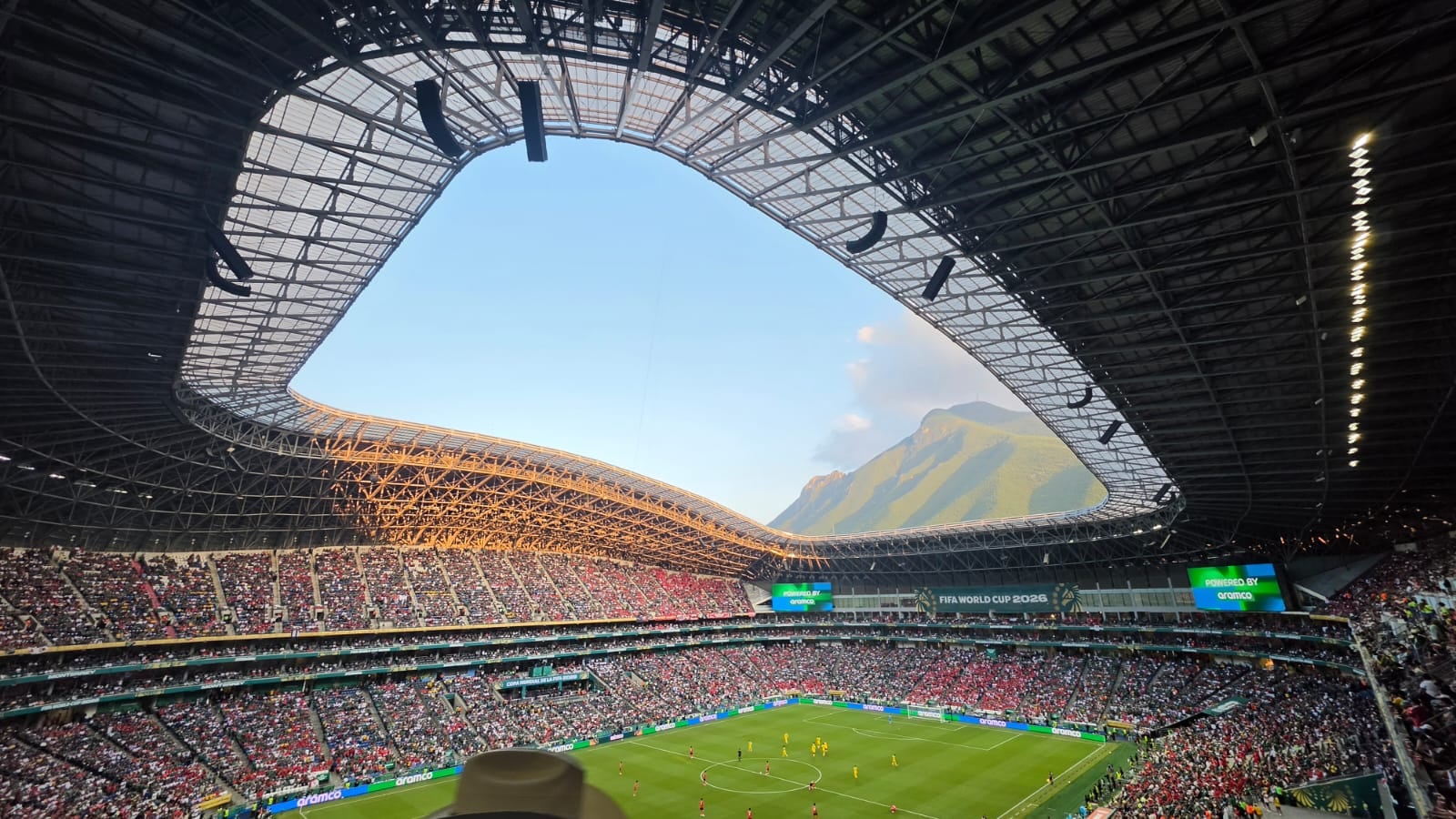
Monterrey, Mexico, is buzzing with World Cup excitement, as evidenced by a prominent advertisement asking, "What if yes?" The city is experiencing summer heat, with temperatures reaching 36°C and 60% humidity, creating a challenging environment for fans. Estadio BBVA, nicknamed "The Steel Giant," is the home of the Rayados football club and a key venue for the FIFA Fan Festival. Its aluminum structure, a nod to the area's industrial past, features a design inspired by the "branquias" or gills, allowing it to breathe in the warm air. This design choice avoids a closed, air-conditioned dome, instead channeling natural airflow through the stadium. The stadium offers stunning views of the Cerro de la Silla mountain, adding to its unique ambiance. During a World Cup match, the atmosphere was electric, amplified by Mexico's dominant performance against the Czech Republic, which saw them advance to the knockout stages. Fans celebrated Mexico's goals enthusiastically, overshadowing the actual match being played in the stadium. The event also highlighted the vibrant fan culture, with spectators enjoying local snacks and drinks while cheering on their team. The presence of Mexican football icon Memo Ochoa further energized the crowd, leading to widespread singing of popular fan chants. Post-match, the celebratory mood spilled into the city, with fans engaging in playful antics, such as tossing a mascot in the air. This tradition is linked to a local superstition about a Tigres fan burying a hen in the stadium's foundations to curse it, reflecting how folklore continues to influence perceptions of sports venues in Latin America, regardless of modern design and amenities.
The World Cup's presence in Monterrey showcases the intersection of global sporting events with local culture and superstitions. While modern stadiums like Estadio BBVA boast advanced architecture and amenities, their perceived success can still be influenced by deeply ingrained local myths, such as the 'cursed' hen. This dynamic highlights the enduring power of folklore in shaping fan engagement and the psychological landscape of sports. As AI continues to integrate into sports, from performance analytics to fan experience, understanding these cultural underpinnings remains crucial for event organizers. Future planning should consider how to respectfully acknowledge and perhaps even leverage local traditions, rather than solely relying on technological or infrastructural advancements, to foster genuine connection and belonging.
AI-generated to prompt reflection — not editorial opinion, not advice, not a statement of fact. How this works.