Montes Claros Avenue Closed for Copasa Sewage Project Until August 2
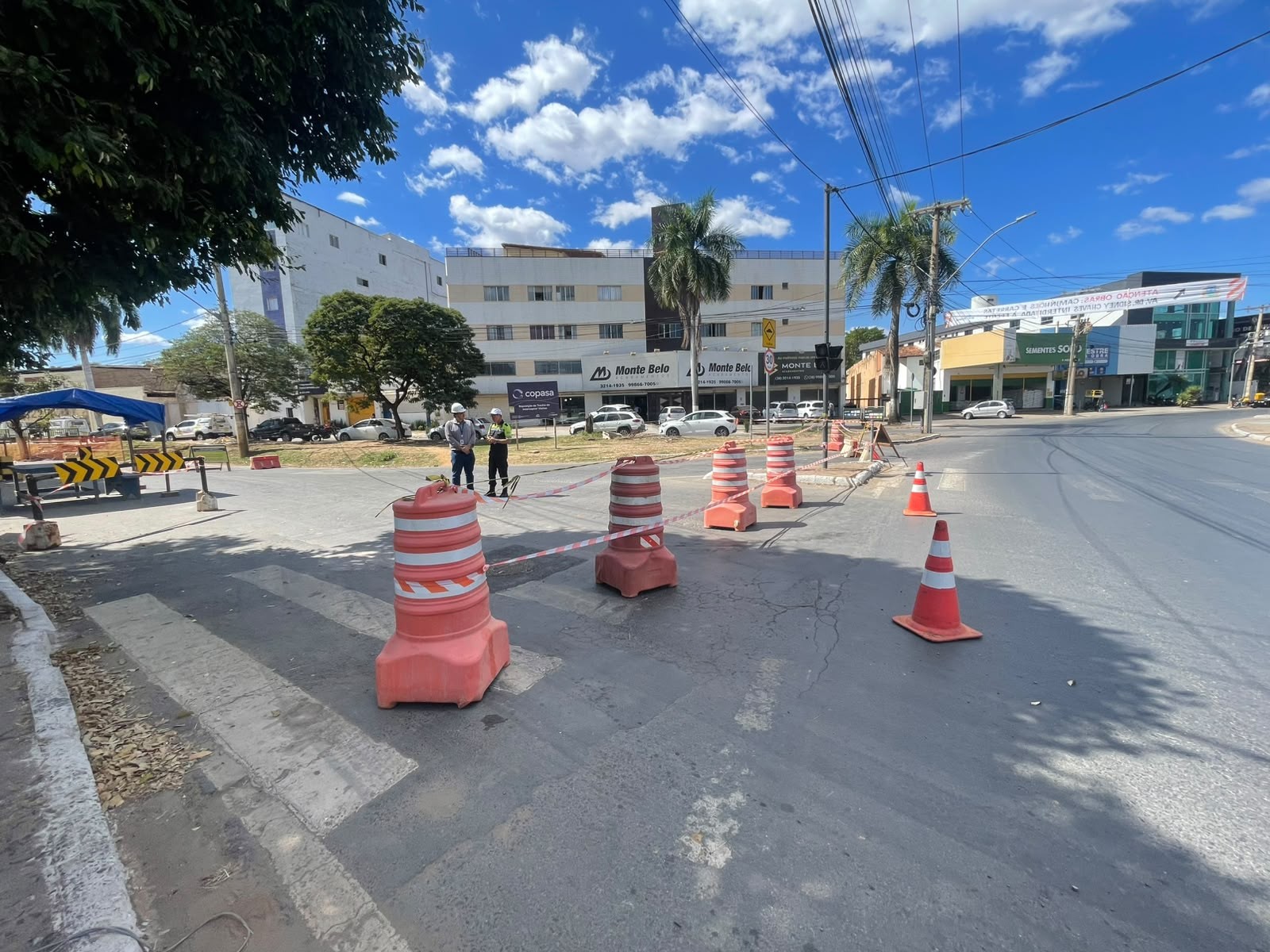
A section of Avenida Dr. Sidney Chaves in Montes Claros, Brazil, will be closed until August 2 to facilitate a significant infrastructure project by Copasa, the regional water and sewage company. The project involves the installation of the Vieira interceptor, designed to channel 60% of the city's sewage to a treatment plant. This initiative represents a substantial investment of R$ 22 million and aims to improve sewage management in the region. Copasa utilized non-destructive methods for much of the installation, minimizing disruption by avoiding large excavations. The closure is necessary due to the complexity of the work, which requires excavation to an average depth of five meters and adherence to strict safety protocols. This project follows previous disruptions on the same avenue between 2021 and 2024, caused by issues with the old interceptor system. Following the completion of the sewage work, the asphalt on the avenue will be fully restored to ensure normal traffic flow. For drivers needing to access Avenida Dr. Sidney Chaves, alternative routes are available via Avenida Feliciano Martins de Freitas, with traffic management and signage in place to guide motorists. The Municipal Company of Planning, Management, and Education in Traffic and Transport of Montes Claros (MCTrans) has deployed patrols to manage traffic flow and assist drivers during the closure.
This infrastructure development by Copasa addresses a critical public health and environmental need by upgrading Montes Claros's sewage treatment capacity. The R$ 22 million investment and the use of non-destructive installation methods demonstrate a commitment to efficient and less disruptive urban renewal. However, the recurring need for such extensive work, impacting a major city artery for extended periods, highlights a potential systemic challenge in long-term urban infrastructure planning and maintenance. As cities grow and age, proactive investment and innovative engineering solutions become paramount to avoid recurrent disruptions and ensure resilience. Future urban development strategies must balance immediate needs with the long-term sustainability and adaptability of essential services, considering the escalating demands of a growing population and the evolving environmental landscape.
AI-generated to prompt reflection — not editorial opinion, not advice, not a statement of fact. How this works.