Montes Claros Celebrates Progress on Augusta Mota Bridge
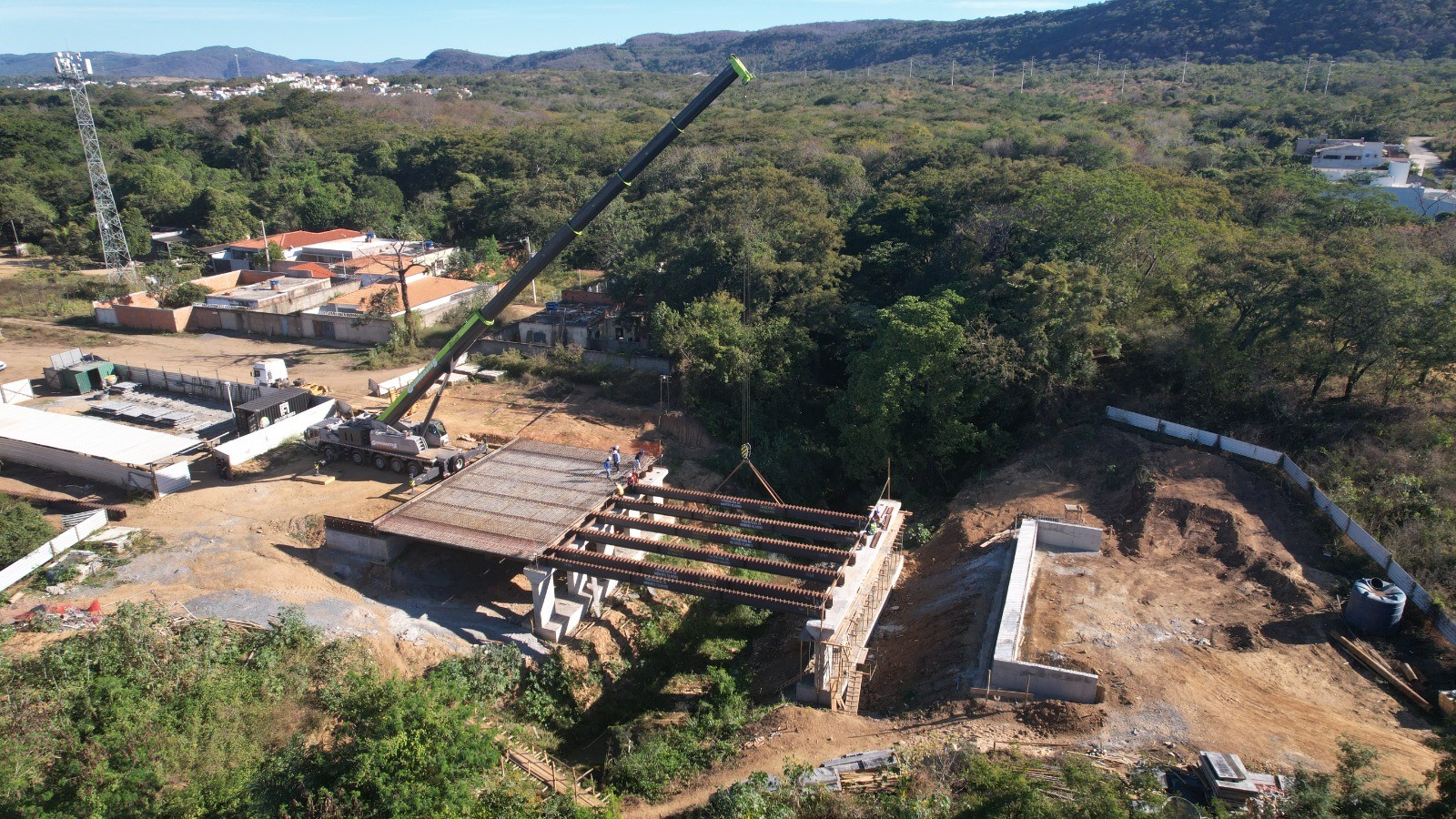
Construction is advancing on the Augusta Mota Bridge in Montes Claros, Brazil, a key component of the "Avenida do Contorno" urban mobility project. This significant infrastructure initiative aims to connect the Augusta Mota and Ibituruna neighborhoods, linking the southern and western regions of the city. The bridge will provide direct access to important locations such as the Chiquinho Guimarães UPA (Emergency Care Unit), the Grande Maracanã stadium, the University Complex, the new Courthouse, and the Brazilian Bar Association (OAB). The Augusta Mota Bridge, with an estimated cost of R$ 3.5 million, is nearing completion, with recent progress including the installation of new beams. Residents like Antônio Eustáquio express eagerness for the bridge's opening, anticipating significant benefits. Motorcyclist Daniel Jesus foresees substantial savings in travel time and fuel, noting the current lengthy detours required to reach areas like Sapucaia. Local business owner Junior Santos, who runs a custom furniture store, expects improved logistics for receiving materials and making customer deliveries, highlighting the anticipated enhancement in traffic flow.
This infrastructure project in Montes Claros addresses urban connectivity challenges by creating a direct link between previously distant neighborhoods and key civic and commercial centers. The stated goal of reducing travel time and improving logistical efficiency for residents and businesses highlights a common urban planning objective. The project's financing through public funds, estimated at R$ 3.5 million, raises questions about resource allocation and the prioritization of mobility investments within the city's broader development strategy. As urban areas increasingly grapple with the impacts of population growth and evolving transportation needs, such projects underscore the ongoing tension between immediate accessibility gains and long-term sustainable urban development, particularly in the context of evolving mobility technologies and environmental considerations over the next decade.
AI-generated to prompt reflection — not editorial opinion, not advice, not a statement of fact. How this works.