Montes Claros' Contorno Avenue Nears Completion, Promising Urban Mobility Revolution
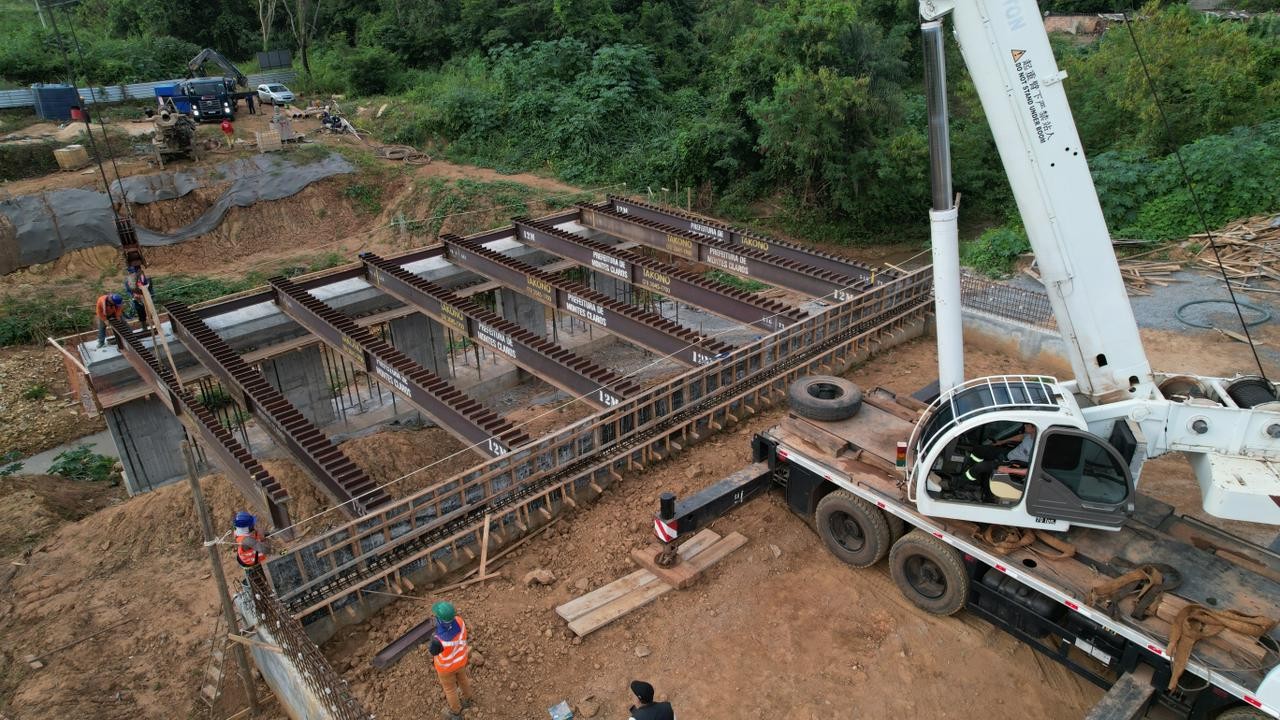
The Avenida do Contorno, a significant urban mobility project in Montes Claros, is nearing completion and is poised to transform the city's transportation network. This major roadway will connect the southern and western regions of Montes Claros, linking key locations such as the UPA Chiquinho Guimarães, Grande Maracanã, the university complex, the Gonçalves Chaves Forum, and the Brazilian Bar Association (OAB). A crucial component of this initiative is the Augusta Mota Bridge, which will bridge the Ibituruna and Morada do Sol neighborhoods. This new bridge is expected to significantly reduce traffic congestion on the Ponte do Sapucaia, the sole existing direct link between these two areas. The project also includes an access road that will create a rapid connection to the Southern Ring Road (Anel Rodoviário Sul). Heavy machinery is currently preparing the ground for asphalt paving near an industrial laundry facility, indicating advanced progress. The Avenida do Contorno represents one of the largest road infrastructure projects in the city's history. It is part of the 'Montesclarear' program, launched by the Prefecture in early 2026 with an allocation of approximately R$ 1 billion for investments across infrastructure, health, education, culture, sports, and leisure.
The development of the Avenida do Contorno in Montes Claros signifies a strategic investment in urban infrastructure aimed at enhancing connectivity and efficiency. By creating new arterial routes and bridges, the project addresses existing transportation bottlenecks and aims to stimulate economic activity through improved accessibility. The integration of this project within the broader 'Montesclarear' program, which allocates substantial public funds across various sectors, suggests a comprehensive approach to urban development. Future success will depend on the project's ability to manage increased traffic flow, integrate seamlessly with existing public transport, and contribute to sustainable urban growth over the next decade, avoiding the common pitfall of infrastructure projects inadvertently increasing sprawl or environmental strain.
AI-generated to prompt reflection — not editorial opinion, not advice, not a statement of fact. How this works.