Montes Claros distributes free glucose sensors to children with Type 1 diabetes
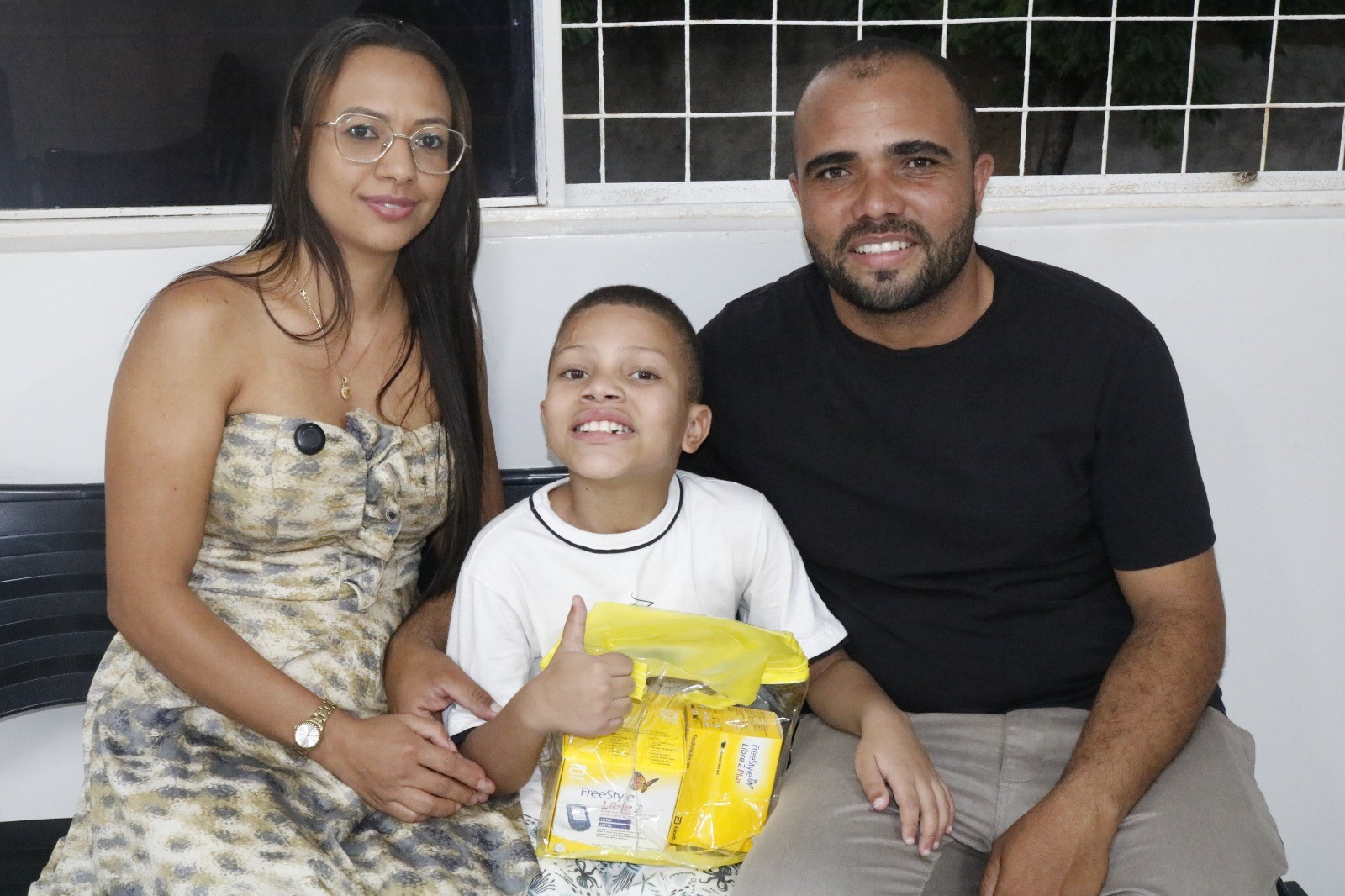
The Municipality of Montes Claros, through its Municipal Health Secretariat, has begun the free distribution of digital continuous glucose monitoring sensors to children and adolescents with Type 1 diabetes receiving care within the municipal network. This initiative represents a significant advancement in public health for the municipality and underscores its commitment to innovation and humanized care. In this initial phase, 250 children and adolescents will benefit from the program. The devices are intended for patients aged 4 to 18 who have a medical report for insulin use and a history of glycemic monitoring. The sensor measures glucose levels minute by minute, substantially reducing the need for finger prick tests. Beyond being painless, the equipment provides updated data, an eight-hour historical trend, directional arrows, and reports that aid in clinical follow-up. Each eligible patient will receive two sensors monthly, with each sensor lasting approximately 15 days, ensuring continuous monitoring and enhanced disease management. The supply will be ongoing, with the Policlínica do Alto São João responsible for sensor replacement and patient follow-up. This monitoring is expected to improve the quality of life for children, provide peace of mind for families, and increase healthcare efficiency through more precise glycemic control and fewer daily finger pricks. Families like Luciene Gonçalves de Oliveira, mother of 8-year-old Davi Luca, and Antônio Augusto Gomes da Silva Júnior, father of 7-year-old Lis Gomes Detomi, expressed gratitude, noting the high cost of the sensors made them inaccessible without municipal support and that the new system eliminates painful daily measurements.
This municipal initiative to provide continuous glucose monitoring sensors to minors with Type 1 diabetes addresses a critical gap in healthcare access, particularly for families facing significant financial burdens. By shifting from frequent finger pricks to a less invasive, data-rich monitoring system, the program aims to improve patient outcomes and reduce the daily stress associated with managing a chronic condition. From a public health perspective, such technological integration can lead to better long-term disease management, potentially reducing complications and healthcare costs. The program's sustainability will depend on consistent funding and efficient supply chain management to ensure continuous availability for all eligible patients. This approach highlights a growing trend in healthcare where advanced personal medical devices are being integrated into public health systems to enhance patient quality of life and optimize chronic disease care.
AI-generated to prompt reflection — not editorial opinion, not advice, not a statement of fact. How this works.