Montes Claros Launches Spice Factories for Minha Casa Minha Vida Residents
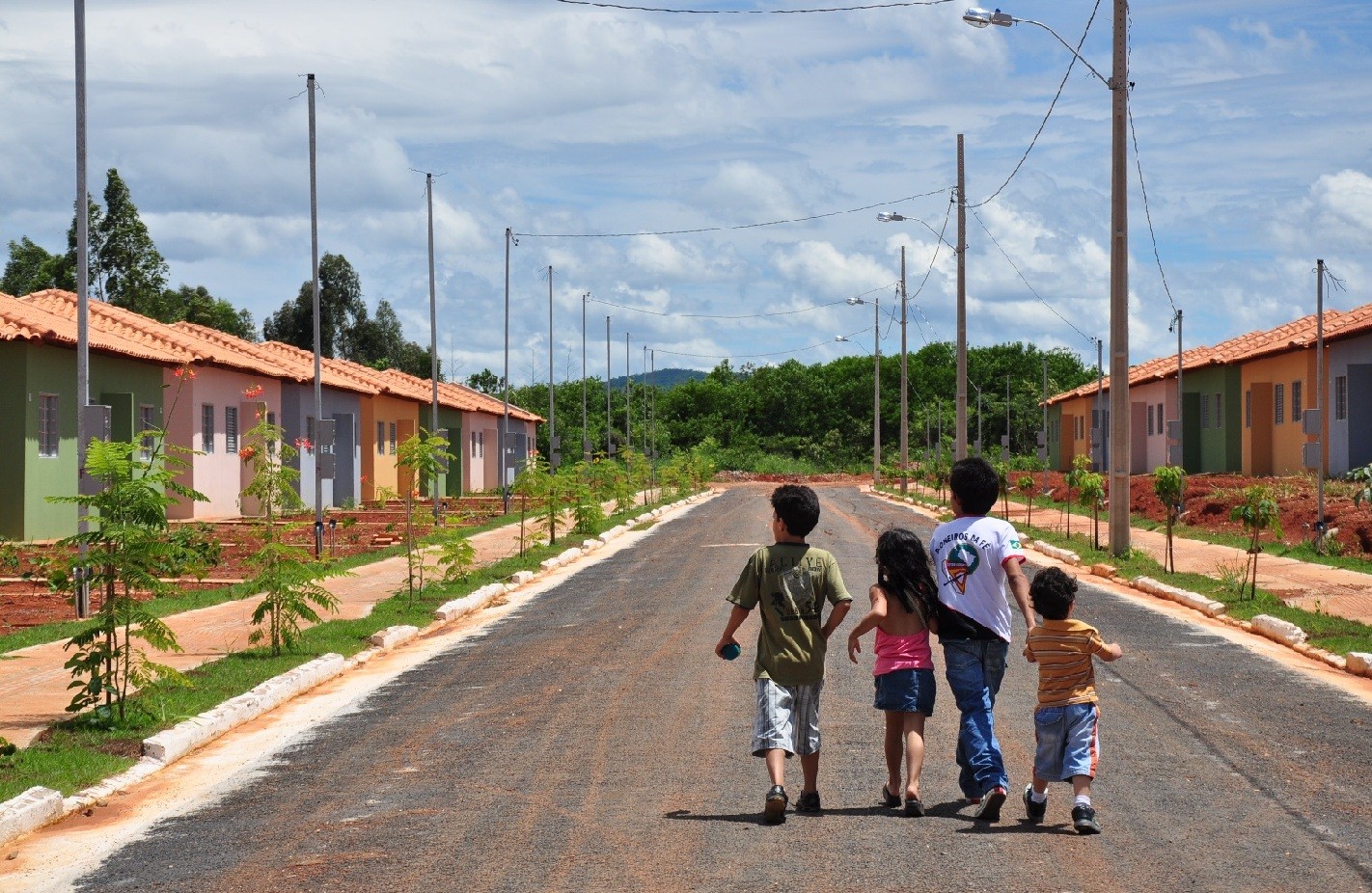
The Municipality of Montes Claros has established spice factories to benefit residents of the Minha Casa Minha Vida (MCMV) housing program. This initiative aims to foster community ties and empower families by organizing social actions focused on patrimonial, sanitary, and environmental education, as well as job and income generation. The spice factory is a project by the Directorate of Popular Housing and Citizenship of the Municipal Secretariat of Urban Infrastructure and Planning, fulfilling a requirement of an agreement with Caixa Econômica Federal. It offers employment opportunities for residents of the Rio do Cedro and Vitória II Residential areas, contributing to reduced unemployment and improved family income. The project also supports local agriculture by increasing demand for its products, stimulating regional commerce, and boosting the local economy. Furthermore, local spice production ensures consumers access to fresh, quality products with fewer preservatives at more affordable prices. The Prefecture is currently procuring necessary horticultural goods for the initial production of artisanal spices. Items being acquired include white onions (60 kg), sea salt (3,201 kg), green herbs (260 bunches), and cinnamon powder (200 packages of 30 grams). This procurement is being conducted through an electronic auction exclusively for individual entrepreneurs, micro, and small businesses. The initiative promises to make living in MCMV residences more enjoyable.
This initiative leverages a social housing program to create local economic opportunities and enhance community self-sufficiency. By establishing spice production facilities, the municipality addresses multiple objectives: employment generation, income improvement, support for local agriculture, and provision of affordable, quality food products to residents. The procurement strategy, favoring small and individual businesses, aims to distribute economic benefits widely within the community. From a systems perspective, this project demonstrates a potential model for integrating social welfare with economic development at the local level. Future iterations could explore scaling such initiatives, diversifying production, and establishing stronger supply chain linkages to ensure long-term sustainability and broader economic impact beyond the immediate residential beneficiaries. The focus on local production and reduced preservatives aligns with growing consumer trends towards healthier and more sustainable food systems.
AI-generated to prompt reflection — not editorial opinion, not advice, not a statement of fact. How this works.