Montes Claros to Launch Animal Health Unit for Dogs and Cats
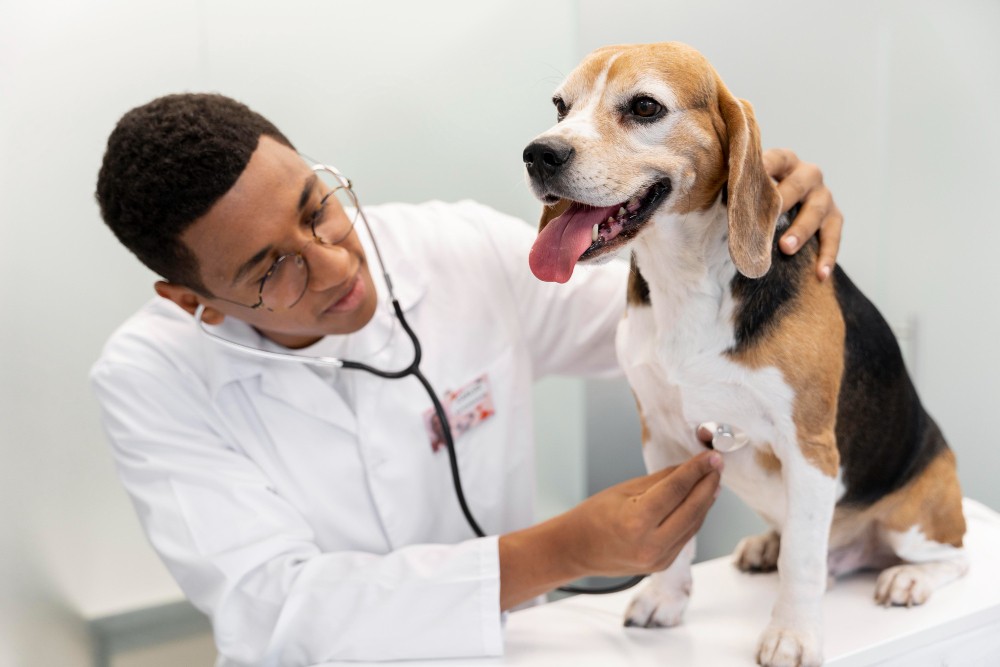
Montes Claros, Brazil, is set to enhance animal care with the upcoming construction of a Basic Animal Health Unit (UBASA). This new facility will be located at the Zoonosis Control Center in the Santa Lúcia neighborhood and will focus on providing urgent and emergency care for dogs and cats. The project, with an estimated cost of nearly R$ 1 million, is designed to offer comprehensive services, including a reception area, administrative offices, pharmacy, examination rooms, four consultation rooms, pre-surgical and sterilization areas, two operating rooms, and post-operative care spaces. It will also feature individual and collective kennels, a cattery, food storage, waste management facilities, and service areas to ensure efficient and safe treatment. Municipal Health Secretary Eduardo Luiz da Silva emphasized that the UBASA represents a strategic investment in animal welfare, zoonosis prevention, public health promotion, and the 'One Health' concept, which integrates human, animal, and environmental health. Mayor Guilherme Guimarães highlighted that the unit addresses a long-standing demand from the community and animal protection groups, strengthening population management, responsible pet ownership, health education, and sanitary surveillance. He noted that the initiative, supported by the Municipal Chamber, aims to provide crucial emergency veterinary services for residents unable to afford private care, thereby elevating the city's animal welfare standards.
The establishment of a municipal animal health unit signifies a growing recognition of the interconnectedness between animal welfare, public health, and environmental stability, aligning with the 'One Health' paradigm. This initiative addresses a critical gap in emergency veterinary services, particularly for socioeconomically disadvantaged populations, potentially reducing the burden of uncontrolled zoonotic diseases and improving overall community well-being. From a public health perspective, investing in animal health infrastructure can yield significant returns by mitigating disease transmission risks and fostering responsible pet ownership, which are crucial for preventing future public health crises. The project's success will depend on sustainable funding, effective operational management, and robust community engagement to ensure long-term impact and address the evolving needs of both animal and human populations in the region.
AI-generated to prompt reflection — not editorial opinion, not advice, not a statement of fact. How this works.