Montevideo Port Reaches Electric Vehicle Capacity Due to Sales Surge
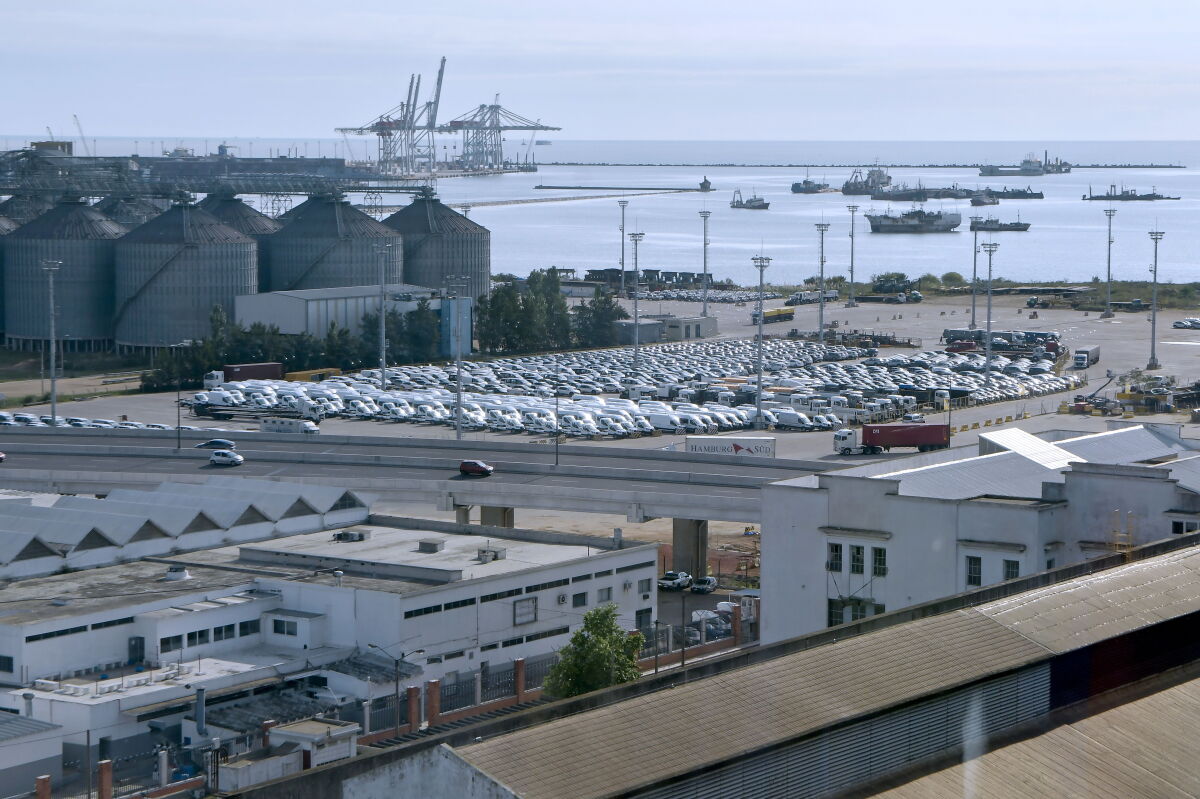
The Port of Montevideo has reached its maximum capacity for storing electric vehicles, a situation attributed to record sales figures. This saturation means there is no longer available space for additional electric cars at the port. To address this issue, TCP (Terminal Cuenca del Plata) will begin receiving vehicles at its own terminal. This development highlights the rapid growth in electric vehicle adoption, which has outpaced the port's logistical capabilities. The overflow is expected to be managed by TCP's facilities, providing a temporary solution to the storage shortage. Further planning may be required to accommodate continued demand.
The surge in electric vehicle sales, while a positive indicator of market transition, has exposed logistical bottlenecks in traditional infrastructure. This situation at the Port of Montevideo illustrates a common challenge: the rapid pace of technological adoption can outstrip the adaptability of existing supply chain and storage systems. The reliance on a secondary terminal, TCP, suggests a need for more integrated and scalable port management strategies that can anticipate and accommodate fluctuating demand. Future port development and logistics planning will need to incorporate greater flexibility to manage the evolving needs of the automotive sector, particularly as the global shift towards electric mobility accelerates.
AI-generated to prompt reflection — not editorial opinion, not advice, not a statement of fact. How this works.