Moon landings risk destroying evidence of life's origins, scientists warn
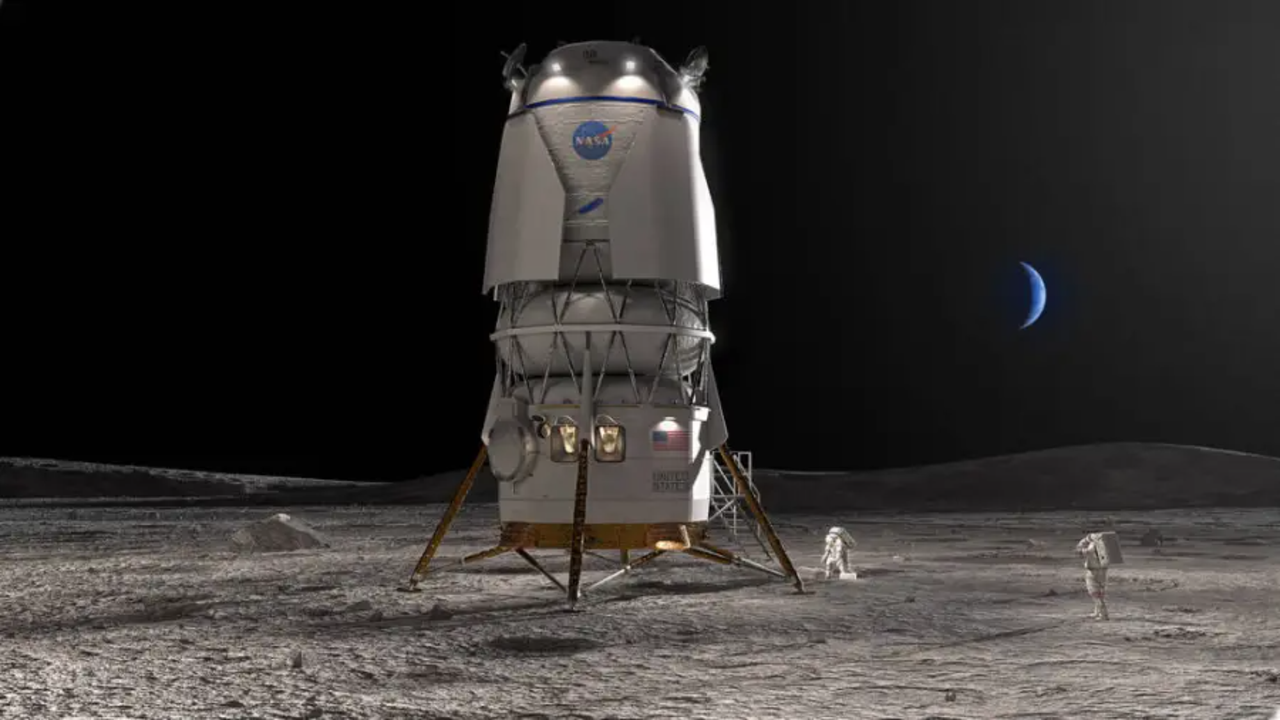
Scientists are urging caution regarding future moon landings, expressing concerns that human activities could inadvertently destroy invaluable scientific evidence. The primary worry is that missions might contaminate or obliterate traces of primordial life that could exist on the lunar surface. This potential loss of evidence is seen as a significant threat to our understanding of abiogenesis, the process by which life arises from non-living matter. The scientific community emphasizes the need to protect both ongoing scientific research and the substantial investments already made in space exploration. They advocate for stringent protocols to ensure that any future lunar missions are conducted in a manner that preserves the integrity of potential biosignatures. The preservation of these ancient clues is considered paramount for answering fundamental questions about life's existence beyond Earth. Careful planning and execution of missions are crucial to avoid irreversible damage to a site of potentially profound scientific discovery. The focus remains on safeguarding the scientific value of the Moon for future generations of researchers.
The potential for human activity to compromise scientific discoveries on celestial bodies highlights a critical tension between exploration and preservation. As humanity expands its presence in space, establishing clear international guidelines and robust scientific protocols becomes imperative. This situation underscores the need for a proactive, globally coordinated approach to planetary protection, ensuring that our quest for knowledge does not inadvertently erase the very evidence we seek. Future space governance frameworks must prioritize the long-term scientific value of extraterrestrial environments over short-term mission objectives, fostering a sustainable model for space exploration that respects the potential for profound discoveries.
AI-generated to prompt reflection — not editorial opinion, not advice, not a statement of fact. How this works.