Moon Sighting Debate: Unresolved Controversy Over Hijri Calendar Calculations
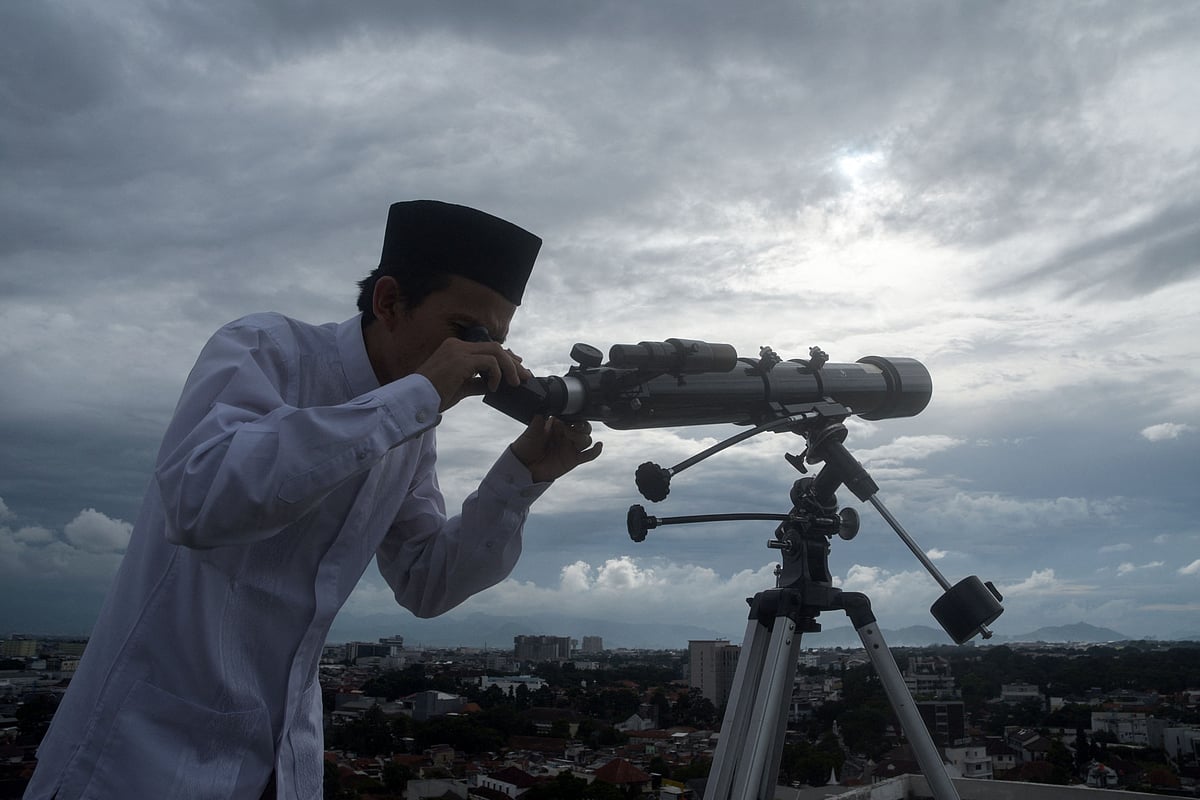
A significant debate is ongoing regarding the method of determining the start of the Islamic lunar month, which impacts the Hijri calendar. The core of the controversy lies in interpreting the Islamic tradition's emphasis on 'seeing' the moon. Some scholars insist that direct, visual observation of the moon by the naked eye is the only permissible method for confirming the new month.
However, a counter-argument suggests that scientific calculations and astronomical data could also fulfill the requirement of 'seeing' the moon. This perspective challenges the traditional reliance on direct observation, proposing that modern scientific understanding can be integrated into lunar calendar determination. The differing interpretations highlight a fundamental tension between traditional religious practices and the application of scientific knowledge in Islamic jurisprudence.
This debate highlights a recurring tension between established religious traditions and the integration of scientific advancements. The reliance on direct visual confirmation, while historically significant, faces challenges in a world where precise astronomical calculations are readily available. The core issue revolves around whether religious texts should be interpreted strictly based on historical practices or if their underlying principles can be adapted to contemporary scientific understanding. This dynamic is likely to persist as technology evolves, prompting ongoing discussions about how to reconcile faith-based observances with empirical evidence in the coming decade.
AI-generated to prompt reflection — not editorial opinion, not advice, not a statement of fact. How this works.