Moonquakes May Uncover Hidden Water Ice Below Lunar Surface
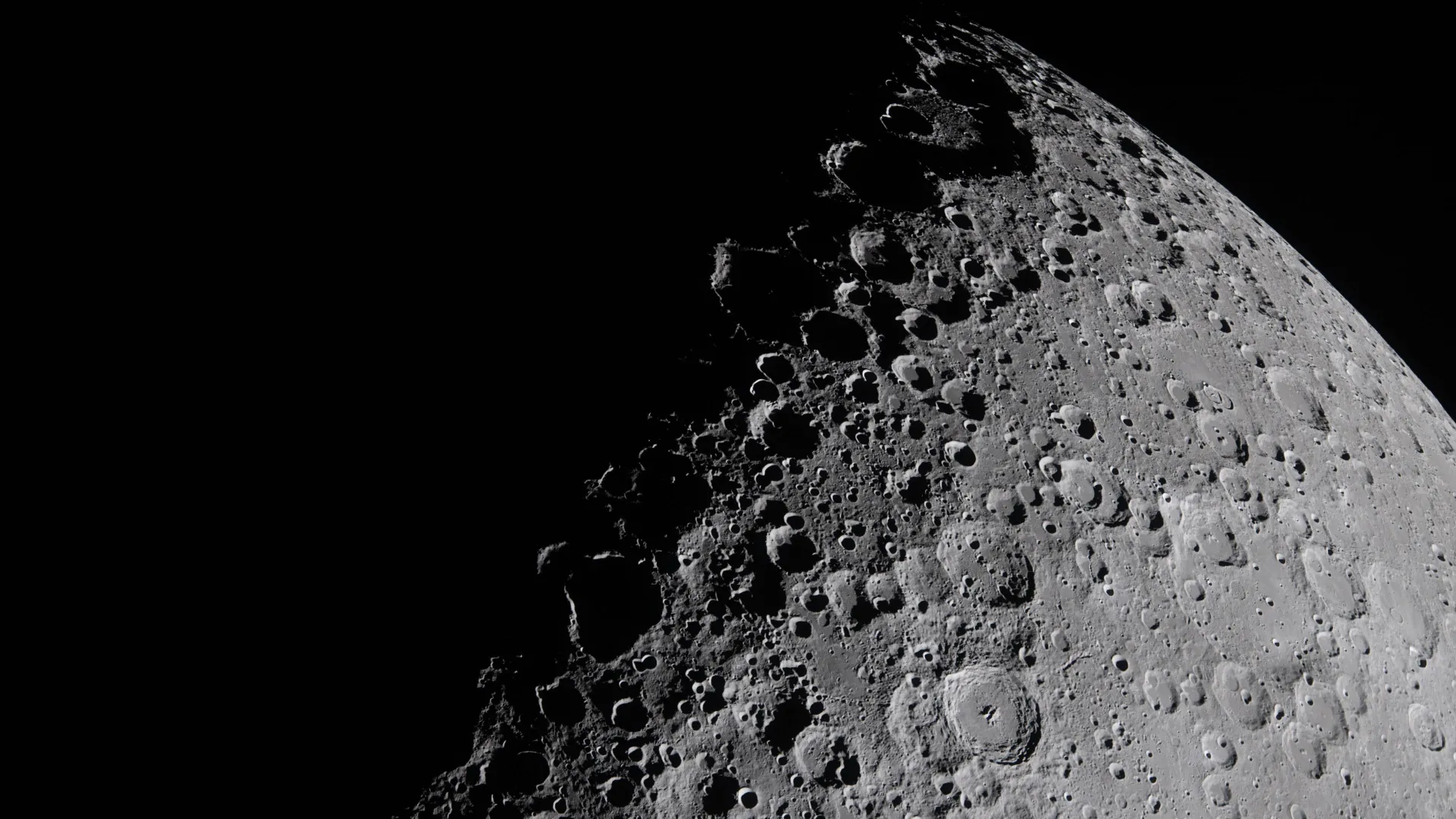
Scientists believe that hidden water ice beneath the Moon's surface could be detected by analyzing how moonquakes' vibrations bend and reflect. This innovative technique holds the potential to assist astronauts in locating crucial water supplies on the Moon. Furthermore, understanding the distribution and properties of this lunar ice could provide valuable insights into the origins of Earth's own oceans. The study suggests that seismic waves generated by moonquakes could act as a probe, revealing the presence and state of water ice. By studying these seismic responses, researchers can map subsurface structures and identify potential water reservoirs. This discovery could be pivotal for future lunar exploration and resource utilization.
This research proposes a novel method for detecting lunar water ice by leveraging seismic activity. The approach shifts from direct observation to indirect inference, using moonquakes as natural probes. This technique could significantly reduce the cost and complexity of resource prospecting on the Moon, potentially enabling more sustainable human presence. The implications extend to understanding planetary formation, as lunar water may hold clues to the early solar system's volatile inventory. Future missions could integrate seismic monitoring to prioritize landing sites and resource extraction zones, thereby optimizing exploration efforts.
AI-generated to prompt reflection — not editorial opinion, not advice, not a statement of fact. How this works.
