Moons May Survive When Their Planet is Stolen, Simulations Suggest
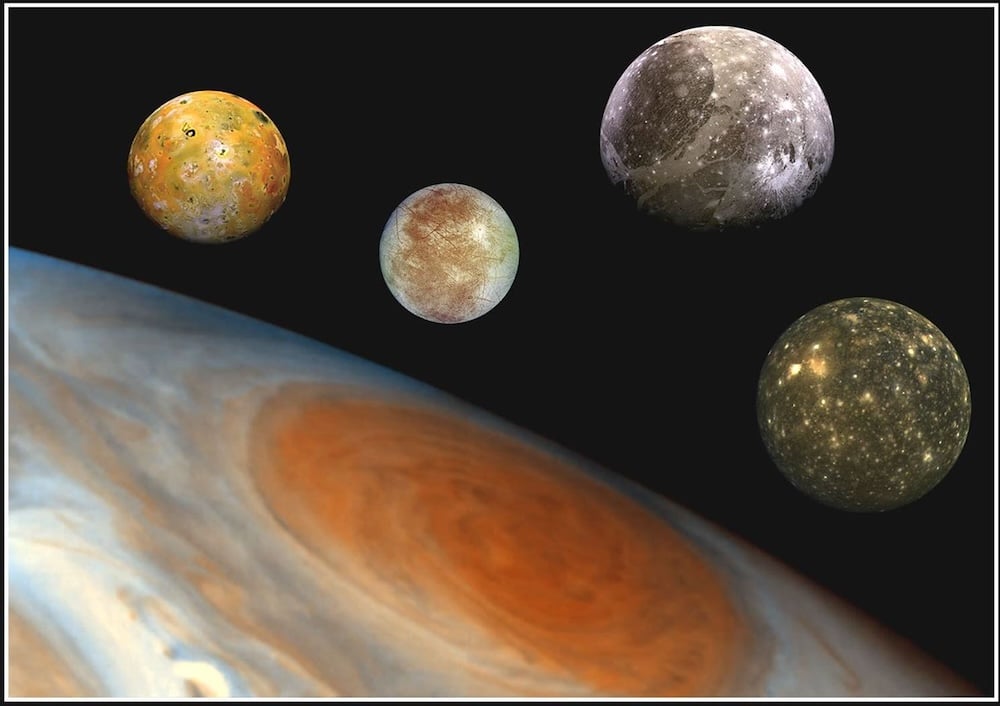
New simulations indicate that moons can remain in orbit around their planet even after the planet is forcibly removed from its solar system. This phenomenon addresses the fate of celestial bodies when a planet is ejected from its original stellar system, becoming a rogue planet. The research suggests that a passing star could potentially rip a planet from its orbit, yet its moons might continue to faithfully circle it. These orphaned planetary systems would then drift through interstellar space together. The study posits that if Jupiter were to be removed from our solar system, its four Galilean moons would likely accompany it. In the extreme darkness of interstellar space, devoid of sunlight, one of these moons might still retain sufficient internal heat to harbor a liquid ocean.
This research explores a hypothetical scenario of planetary system disruption, focusing on the gravitational dynamics that govern orbital stability. The simulations highlight the resilience of moon-planet systems under extreme external forces, such as a stellar encounter. From a systems perspective, this raises questions about the potential for life to persist or even emerge in rogue planet systems, independent of stellar energy. The long-term habitability of such moons would depend on internal heat sources, tidal heating, and the presence of essential elements, presenting a unique set of challenges and opportunities for astrobiology in the coming decades.
AI-generated to prompt reflection — not editorial opinion, not advice, not a statement of fact. How this works.