Moqtada al-Sadr Urges Iraqi Militias and Iran's IRGC to Avoid Conflict in Iraq
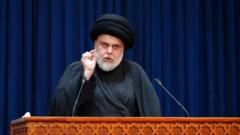
Following joint US-Saudi strikes on alleged Hashed al-Shaabi positions in Iraq, Donald Trump claimed coordination with the Iraqi government, a statement Iraqi officials have denied. The Iraqi presidency condemned the attacks as a "blatant violation of Iraq's sovereignty." In response to the escalating tensions, influential Shiite cleric Moqtada al-Sadr has called upon the Islamic Revolutionary Guard Corps (IRGC) and Iraqi armed groups not to transform Iraq into a battleground. Al-Sadr urged these factions to refrain from engaging in a "futile war" that could destabilize the country further. The cleric's appeal highlights concerns over Iraq becoming a proxy theater for regional or international conflicts. The denial from Iraqi authorities regarding US coordination underscores the complex geopolitical dynamics and sovereignty issues at play in the region.
The assertion of US-Saudi coordination with Baghdad regarding strikes on Iraqi territory, denied by Iraqi officials, highlights a recurring challenge in state sovereignty amidst international military operations. Moqtada al-Sadr's appeal to Iraqi militias and Iran's IRGC to avoid escalating conflict underscores the internal pressures within Iraq to maintain autonomy and prevent external powers from dictating terms of engagement on Iraqi soil. This situation reflects the broader geopolitical tension where regional and global powers vie for influence, potentially drawing Iraq into proxy conflicts. The Iraqi government's firm stance on sovereignty, coupled with al-Sadr's call for restraint, suggests a desire to navigate these complex dynamics without succumbing to external agendas, a delicate balancing act for future stability.
AI-generated to prompt reflection — not editorial opinion, not advice, not a statement of fact. How this works.