Morandi Bridge Collapse: New Rules and Internal Controls for Reliable Inspections
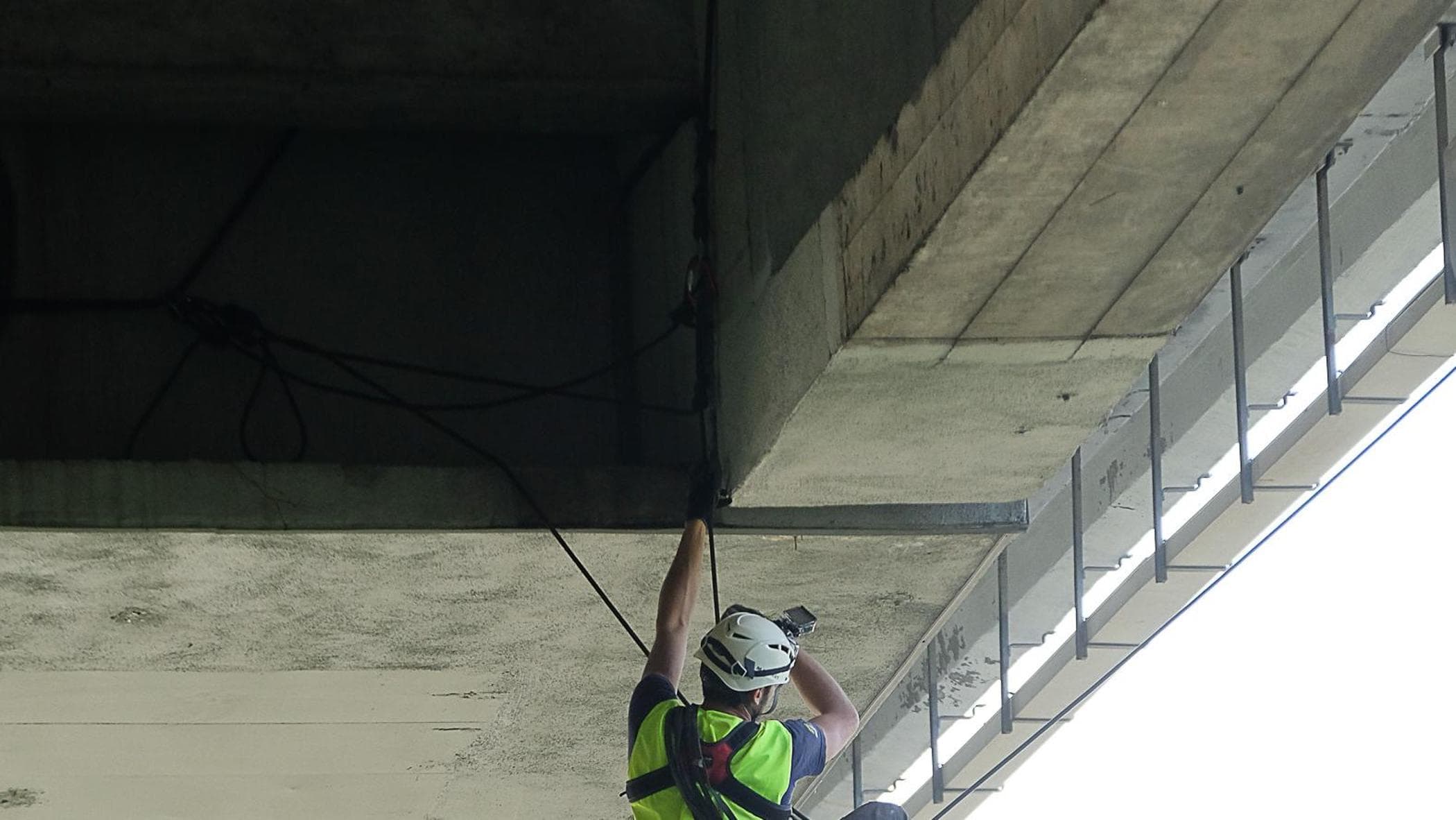
Eight years after the Morandi Bridge collapse, Autostrade per l'Italia has implemented new regulations and internal practices aimed at improving inspection reliability. These changes are part of the company's efforts to address the systemic failures that led to the 2018 tragedy. The new measures focus on enhancing the rigor and independence of structural checks. However, Egle Possetti, a prominent figure involved in the aftermath, stated that while progress has been made, the fundamental mindset has not yet shifted. This suggests that ongoing vigilance and cultural change within the organization are crucial for ensuring long-term safety. The reforms aim to prevent future disasters by establishing clearer protocols and accountability for infrastructure maintenance. The effectiveness of these measures will be closely monitored in the coming years.
The implementation of new inspection rules and internal controls by Autostrade per l'Italia, eight years post-Morandi Bridge collapse, reflects a systemic response to a catastrophic failure. While structural reforms are a necessary step, the observation that the 'mentality' has not changed highlights a potential gap between procedural compliance and genuine safety culture. The challenge lies in embedding a proactive, risk-averse approach into the organizational DNA, rather than treating inspections as a mere regulatory hurdle. Future infrastructure management will likely be shaped by increased public scrutiny and a demand for transparent accountability, pushing companies to balance operational efficiency with uncompromising safety standards. The long-term success of these reforms hinges on fostering an environment where safety is prioritized intrinsically, not just extrinsically.
AI-generated to prompt reflection — not editorial opinion, not advice, not a statement of fact. How this works.