More Cameras Deployed in Lower Rhine Region to Detect Forest Fires Early
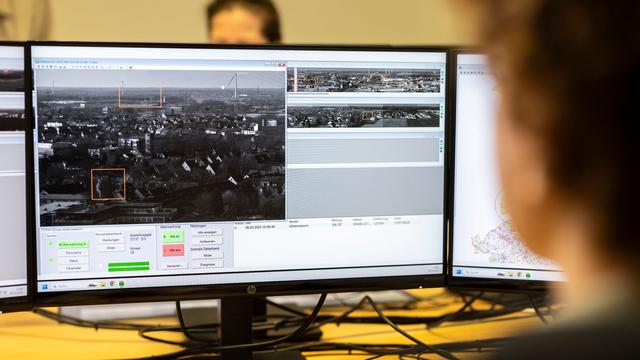
The Lower Rhine region in Germany is increasing its efforts to combat forest fires by installing more cameras. This initiative aims to improve the early detection of potential fire outbreaks, allowing for quicker response times. The deployment of these advanced surveillance tools is a proactive measure to protect the region's valuable natural landscapes. Forest fires pose a significant threat, especially during dry and warm periods, and enhanced monitoring is seen as crucial for mitigation. The cameras will provide real-time visual data, enabling authorities to assess situations rapidly and deploy resources effectively. This strategy is part of a broader effort to bolster fire prevention and management capabilities in the area. The goal is to minimize the damage caused by fires and safeguard both the environment and local communities. The specific number of cameras and their exact locations have not been detailed, but the commitment to expanding this surveillance network is clear.
The strategic deployment of enhanced surveillance technology, such as additional cameras, represents a rational response to the increasing risks of forest fires, particularly in regions susceptible to dry conditions. This approach leverages technological advancements for early detection, a critical factor in mitigating the impact of such events. From a systems perspective, this investment in preventative infrastructure highlights a growing awareness of climate-related vulnerabilities and the need for adaptive management strategies. The effectiveness of this measure will depend on integrated response protocols, ensuring that early detection translates into rapid and coordinated action by emergency services. Future considerations might include the integration of AI-powered analytics for even more sophisticated threat assessment and resource allocation, thereby optimizing public safety investments in the face of evolving environmental challenges.
AI-generated to prompt reflection — not editorial opinion, not advice, not a statement of fact. How this works.