More Free Women's Urinals and Toilets at Major Events This Summer
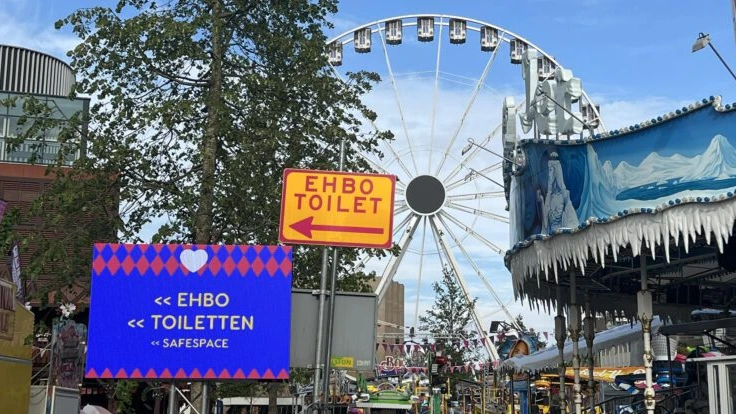
This summer, women attending several major events in the Netherlands will have access to more free toilet facilities. The Vierdaagsefeesten in Nijmegen will feature women's urinals in the city center for the first time. These 'pink funnels' allow three women to use them simultaneously and will be located in accessible, private areas, with collaboration from Nijmegen's Dolle Mina group. The organization will assess their success for potential return next year. While these new urinals are free, standard toilets at the Vierdaagsefeesten will require payment, with an option for unlimited access for €12.50. In total, Nijmegen will offer 1050 men's urinals, 700 flush toilets, and 21 accessible toilets.
In Tilburg, the largest fair in the Netherlands, the number of free toilets will also be expanded. Following a protest last year where activists tied pink ribbons to men's urinals to highlight 'pee discrimination,' the responsible alderman made all toilets free. This year, dozens of additional free portable toilets, gender-inclusive units, and facilities for people with disabilities will be added. Dolle Mina activist Elysa van der Ven stated that this expansion makes public spaces truly public by removing shame, stress, and financial barriers. Tilburg will also introduce a 'Changing Places' unit, an oversized care room with specialized equipment for individuals with severe disabilities, though Nijmegen could not implement this in time for this year's event.
The introduction of free women's urinals and expanded free toilet access at Dutch events reflects a growing societal focus on gender equity and public health infrastructure. This initiative addresses historical disparities in restroom availability and convenience, potentially improving public comfort and hygiene. The collaboration with activist groups like Dolle Mina highlights the impact of advocacy in shaping public policy and event management. Future considerations may involve the long-term sustainability of such provisions, cost-benefit analyses for event organizers, and the integration of these facilities into standard urban planning. The inclusion of gender-inclusive options and specialized care units signals a broader trend towards more accessible and equitable public spaces, anticipating evolving social needs and technological advancements in sanitation.
AI-generated to prompt reflection — not editorial opinion, not advice, not a statement of fact. How this works.