Mormon Church's Agri-Investor Acquires Second New Zealand Kiwifruit Orchard
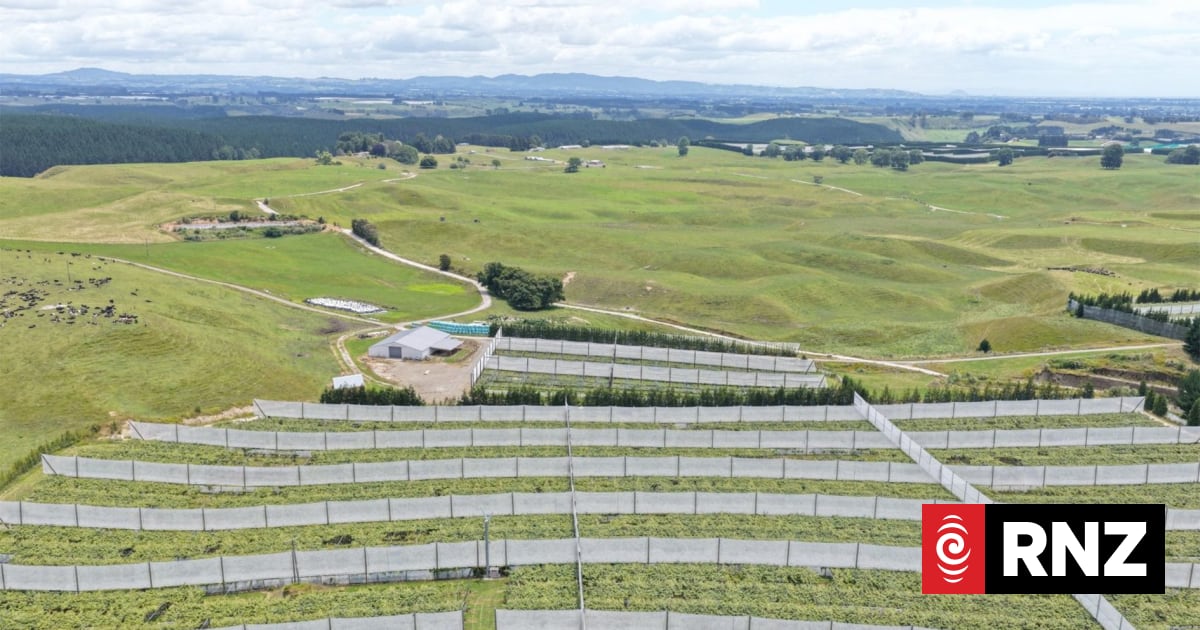
The agricultural investment division associated with the Church of Jesus Christ of Latter-day Saints, often referred to as the Mormon church, has purchased a second kiwifruit orchard in New Zealand's Bay of Plenty region. This acquisition expands the church's agricultural holdings, which are intended to generate revenue to support its various activities and programs, referred to as 'mahi'. The specific financial details and the exact location of the second orchard have not been disclosed. This move signifies a growing investment in the agricultural sector by religious organizations seeking diversified income streams. The church has been actively investing in land and agricultural enterprises globally. The Bay of Plenty is a significant region for kiwifruit production in New Zealand. This investment aligns with broader trends of institutional investors acquiring agricultural land for long-term returns. The church's 'mahi' encompasses a wide range of charitable and operational functions.
The acquisition of agricultural assets by religious organizations like the Church of Jesus Christ of Latter-day Saints reflects a strategic diversification of revenue streams beyond traditional tithing and donations. This approach leverages the stability and long-term growth potential of the agricultural sector, particularly in high-value crops like kiwifruit. Such investments raise questions about the intersection of religious missions and commercial enterprise, and how profits are allocated to support the organization's stated goals. From a market perspective, institutional investors entering niche agricultural markets can influence land prices and competition for local growers. The long-term sustainability of these ventures will depend on effective management, market fluctuations, and evolving environmental regulations within the agricultural industry.
AI-generated to prompt reflection — not editorial opinion, not advice, not a statement of fact. How this works.