Moroccan Football Team's World Cup Success Sparks Broad Emotional Response
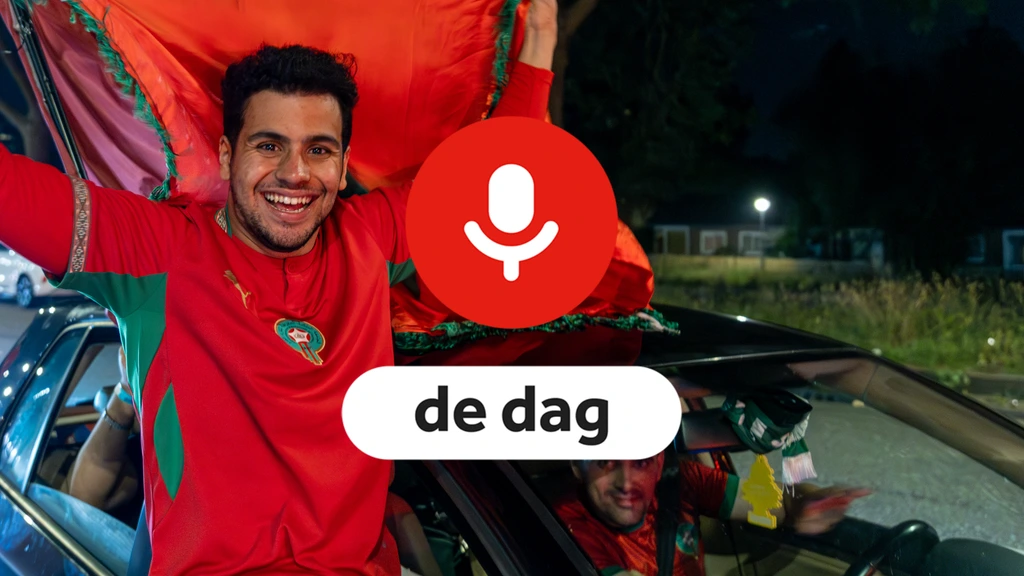
The Moroccan national football team is experiencing a remarkable period of success during the World Cup, following victories against the Netherlands and Canada. They are set to face tournament favorites France in the quarter-finals, a match anticipated by many football fans and individuals of Moroccan descent in the Netherlands.
This podcast episode delves into the reasons behind the widespread emotional impact of Morocco's performance, exploring how it transcends a mere sporting achievement. Mostapha Souafi, also known as Mouss Praat Voetbal, details the significant transformation of Moroccan football infrastructure over recent years, enabling the team to compete at the highest global level. He notes a shift from a football crisis to becoming one of the world's strongest teams.
Karim Amghar, a lecturer and columnist, discusses the societal questions he frequently encounters, such as the association of Dutch citizenship with football allegiances. He also addresses the need to clarify that a small group is responsible for any disturbances, expressing a desire for a post-match celebration free from disorder. Nora Akachar, a presenter and theater maker, highlights the unifying effect of the World Cup among Moroccan Dutch communities, suggesting it temporarily overshadows internal and external community issues. She also conveys the palpable pre-match tension and stress experienced by many.
The widespread public engagement with the Moroccan football team's World Cup success highlights the potent intersection of national identity, sporting achievement, and cultural representation. While the team's improved performance is attributed to infrastructural development, the intense emotional resonance suggests that such events can serve as powerful unifying forces, temporarily bridging societal divides and fostering collective pride. However, the analysis also points to the potential for sport to become entangled with complex identity politics, as evidenced by the questions faced by individuals like Karim Amghar. Moving forward, understanding how these moments of collective celebration can be sustained and channeled constructively, while mitigating the risk of associated disorder, will be crucial for fostering inclusive social cohesion in diverse societies. The future may see more such events acting as catalysts for both national pride and critical conversations about belonging.
AI-generated to prompt reflection — not editorial opinion, not advice, not a statement of fact. How this works.