Moroccan Taekwondo Champion's European Dream Dashes After Ceuta Ordeal
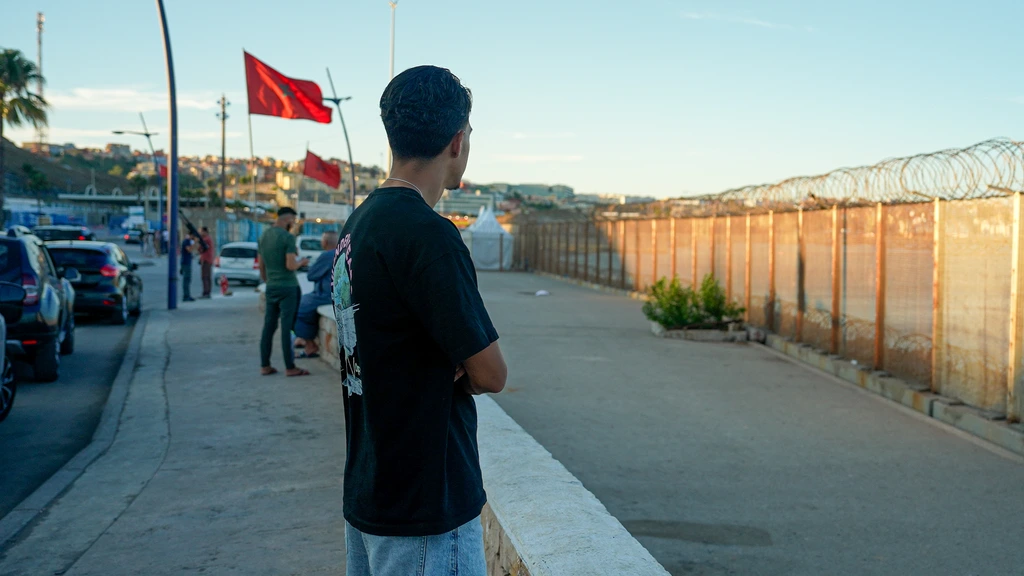
Zoubeir El Qaddoury, a 20-year-old Moroccan taekwondo champion from Khenifra, has returned to Morocco after a six-day ordeal in the Spanish enclave of Ceuta. Driven by the dream of a better life and a career in Europe, Zoubeir abandoned a national training camp in Rabat to join his brother's plan to cross into Ceuta, believing it offered him a chance to compete for another country, ideally Spain. He saw this as an opportunity to gain the rights he felt athletes deserved and to secure a better future for himself and his mother, who he supports financially following his father's death. His journey involved a swift departure from Tanger and a sea crossing, fueled by the allure of social media portrayals of European life. However, his experience in Ceuta was starkly different from his expectations. He witnessed harsh treatment of migrants, including beatings and even deaths, which contradicted his belief that they would be welcomed. After sleeping on the streets and being pursued by Spanish police for six days, a call from his mother, who expressed her fear for his life and urged him to return, prompted his decision to go back to Fnideq. Zoubeir now reflects on the deceptive nature of social media, acknowledging that the reality of migration was far more dangerous than depicted online. Despite the trauma, he remains determined to pursue his taekwondo aspirations and improve his family's circumstances, drawing strength from his mother's faith in him.
The narrative highlights the potent allure of perceived opportunities in Europe, often amplified by social media, which can lead individuals to undertake perilous journeys. Zoubeir's story underscores the significant gap between aspirational online content and the harsh realities faced by migrants, particularly concerning border security and reception policies in enclaves like Ceuta. The event reveals systemic challenges in both origin and destination countries: Morocco faces a brain drain and the social pressures driving emigration, while Spain grapples with managing irregular migration flows. Future policy considerations might involve addressing root causes of migration, enhancing legal pathways for talent, and fostering more humane and transparent reception processes. The incident also serves as a cautionary tale about the influence of digital narratives on real-world decision-making, emphasizing the need for critical media literacy.
AI-generated to prompt reflection — not editorial opinion, not advice, not a statement of fact. How this works.
