Moroccan Women Abandoned in Brazil After Falling Victim to Housing and Visa Scam
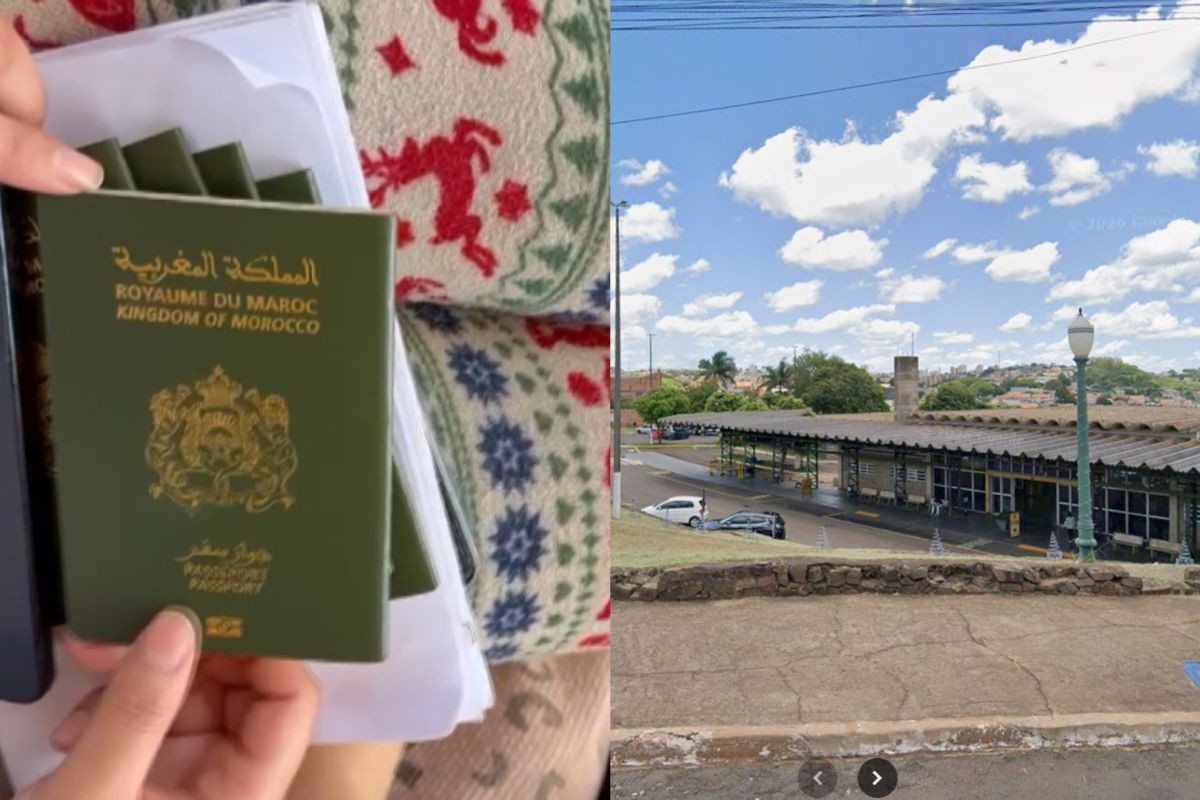
A Moroccan woman and her children were found abandoned at a bus station in Cornélio Procópio, Northern Paraná, Brazil. The incident came to light after another Moroccan woman reported the situation to the military police. A man, also Moroccan and recently arrived in Brazil, is under investigation by the Civil Police for allegedly defrauding the women after promising them housing, employment, and help with their immigration status in Brazil. The suspect is being investigated for bodily harm, property damage, and aggravated fraud due to the victims' vulnerability. He has not been arrested but faces potential charges. The victims, who arrived in Brazil with tourist visas, met the suspect online and were lured by promises of regularizing their migratory situation, securing jobs, and finding schools for their children in Paraná. One victim, 27, arrived in April and had been in a refugee community in São Paulo. The other arrived about 20 days prior with two children. The suspect allegedly collected approximately R$7,000 from them for supposed services before expelling them from a rented residence. He then transported them to the bus station. During the journey, one woman questioned his conduct, leading to her and her son being assaulted, and her cell phone damaged. The victims and children, including a 1-year-old girl and two boys aged 3 and 7, have been placed in a municipal shelter for psychosocial support. The investigation also suggests the man may have been involved in illegal migration, which is being examined by the Federal Police. The suspect denies the accusations, claiming he only intended to help the women, but his account is considered contradictory by authorities.
This case highlights the vulnerabilities faced by migrants seeking to establish themselves in a new country, particularly when relying on informal networks for assistance with immigration status, housing, and employment. The alleged actions of the suspect exploit these vulnerabilities for financial gain, demonstrating a predatory dynamic that can emerge within migrant communities. The investigation into potential illegal migration activities suggests a broader systemic issue where individuals may leverage the desperation of others for illicit purposes. Future efforts to support migrants could focus on strengthening official channels for legal assistance and employment, thereby reducing reliance on potentially exploitative intermediaries and ensuring safer integration pathways.
AI-generated to prompt reflection — not editorial opinion, not advice, not a statement of fact. How this works.