Morocco blames social media for Ceuta crisis, but roots run deeper
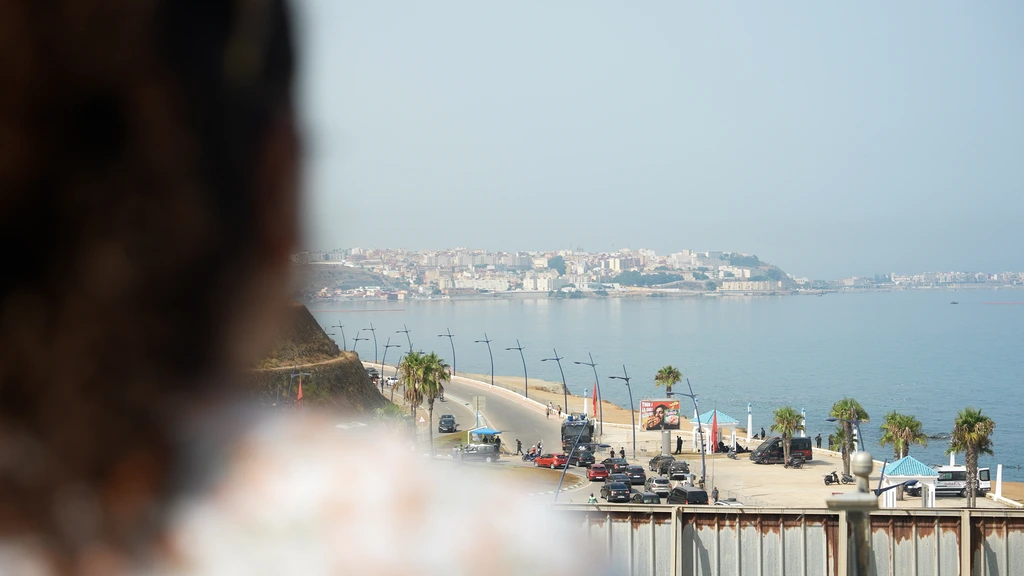
Morocco's government attributes the recent migration crisis at the Spanish exclave of Ceuta to fake news and social media, suggesting criminal networks involved in human smuggling were responsible. Rabat denies intentionally allowing migrants to cross. Spanish Prime Minister Pedro Sanchez initially echoed this sentiment, but Spanish media and politicians are actively speculating about Morocco's potential motives. Meanwhile, the Moroccan public is deeply engaged with the issue, focusing on the underlying reasons for migration and expressing both understanding and shame. There is significant criticism directed at Prime Minister Aziz Akhannouch for his silence on the crisis and calls for a day of national mourning for those who perished. Human rights activists and experts, like migration specialist Soukaina Chakkour, are frustrated by the focus on geopolitical factors, urging attention to the genuine needs and desires of the approximately 50,000 individuals who crossed. Chakkour emphasizes that the events have a long history, pointing to an economic crisis in northern Morocco since 2019 following the end of an informal trade agreement with Spain. This agreement had allowed Moroccans to purchase duty-free goods in Ceuta for resale, a practice that sustained many in the region. The termination of this arrangement, a political decision by Rabat, left many without livelihoods. While Morocco has initiated large-scale projects like the Tanger Med port expansion and a new port near Nador to create jobs, low wages and the time required for completion offer little immediate relief. Consequently, the prospect of migrating to Europe via Ceuta has become increasingly appealing due to its proximity and visibility from northern Moroccan cities like Tangier and Tetouan.
The Moroccan government's attribution of the Ceuta migration crisis to social media and criminal networks offers a simplified explanation that deflects from deeper systemic issues. This framing may serve to manage international perceptions and internal dissent by externalizing blame. However, the crisis is more accurately understood as a consequence of long-term economic disparities in northern Morocco, exacerbated by policy changes affecting informal trade. The government's focus on immediate causes overlooks the structural incentives driving migration, such as limited economic opportunities and the persistent allure of European proximity. Future policy must address these underlying economic conditions and governance structures to mitigate such humanitarian events, rather than relying on narrative control or reactive measures. The long-term sustainability of regional stability hinges on fostering inclusive economic development and transparent policy-making that addresses the root causes of desperation.
AI-generated to prompt reflection — not editorial opinion, not advice, not a statement of fact. How this works.
