Morocco Blames Social Media for Deadly Ceuta Stampede
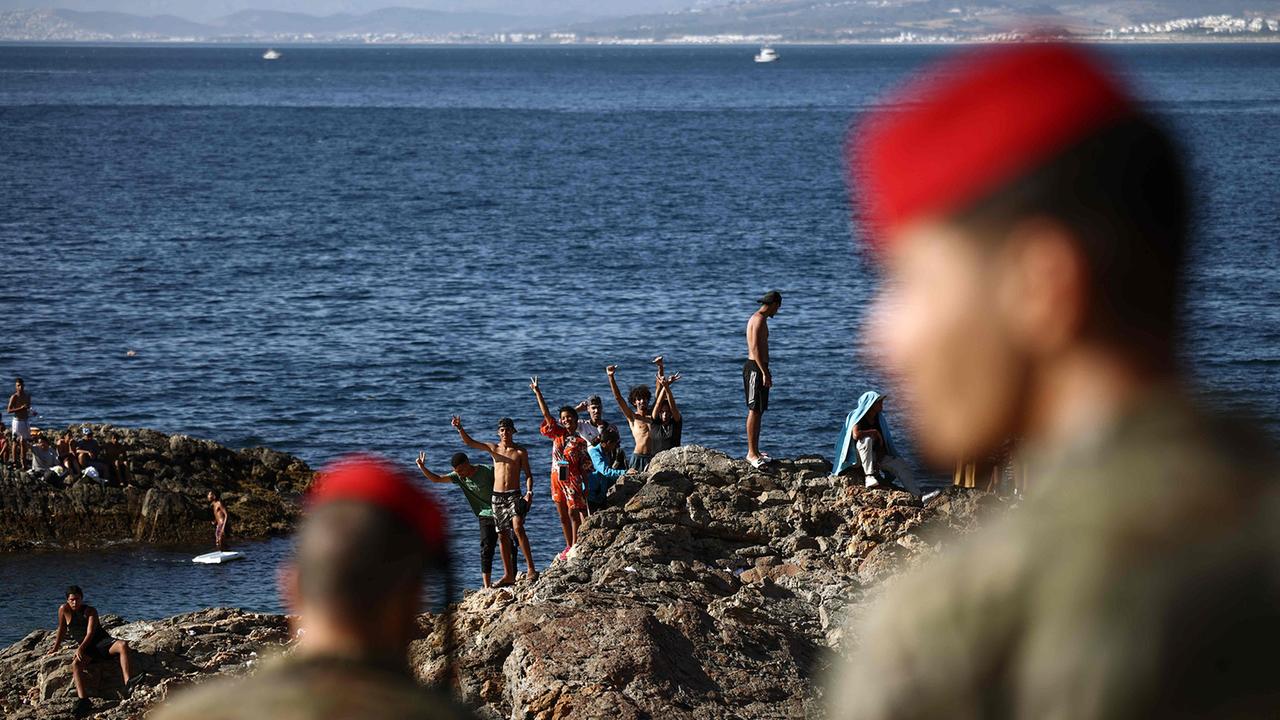
Three days after a deadly stampede at the Spanish enclave of Ceuta, Morocco's Interior Ministry has issued a statement attributing the tragedy primarily to misinformation spread on social media. The ministry's stance suggests that false information circulating online played a significant role in inciting the events that led to the disaster.
This official explanation from Morocco's Interior Ministry points to the pervasive influence of social media in shaping events and potentially contributing to such catastrophic outcomes. The incident at Ceuta, a Spanish exclave bordering Morocco, resulted in a mass surge of people attempting to cross into the territory.
The Moroccan Interior Ministry's assertion that social media misinformation was the primary cause of the Ceuta tragedy highlights the growing challenge of managing information flows in the digital age. While social media can indeed amplify narratives and mobilize populations, attributing a complex event solely to online content risks oversimplifying the underlying socio-economic drivers and migration pressures that compel individuals to undertake perilous journeys. Future policy responses may need to balance efforts to combat disinformation with addressing the root causes of irregular migration and improving border management protocols to prevent similar humanitarian crises.
AI-generated to prompt reflection — not editorial opinion, not advice, not a statement of fact. How this works.
