Morocco Denounces Trafficking Networks and Disinformation Amidst Ceuta Migrant Surge
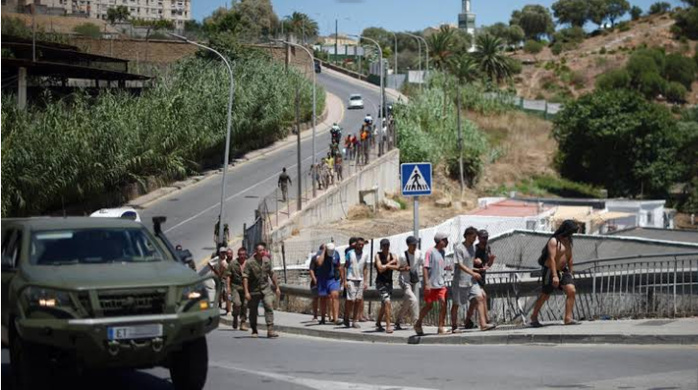
Morocco has broken its silence after five days, denouncing human trafficking networks and false information as the cause of the recent surge of migrants towards the Spanish enclave of Ceuta. The official toll from the event stands at 40,000 attempted crossings, with 11 confirmed deaths. The Moroccan government's statement aims to address the crisis and clarify the circumstances surrounding the mass movement of people. This incident highlights the complex challenges associated with migration routes and the role of misinformation in exacerbating such situations. The country's response indicates a move to counter narratives that may be exploiting vulnerable individuals. Further details on the identified trafficking networks and the nature of the disinformation campaigns are expected.
The Moroccan government's denouncement of trafficking networks and disinformation seeks to frame the Ceuta migrant crisis as a consequence of external manipulation rather than internal or regional push factors. This narrative strategy may aim to deflect criticism regarding border control or socio-economic conditions, while simultaneously positioning Morocco as a victim of criminal operations. The emphasis on "false information" suggests a concern about the influence of social media or organized smuggling groups in directing migration flows. By highlighting these elements, Morocco can advocate for international cooperation against trafficking and disinformation, potentially leveraging this to negotiate migration policies or secure external aid. The long-term implications involve understanding the interplay between state narratives, actual migration drivers, and the effectiveness of counter-trafficking measures in a complex geopolitical context.
AI-generated to prompt reflection — not editorial opinion, not advice, not a statement of fact. How this works.
