Morocco's King Mohammed VI: A Powerful Yet Fragile Monarch
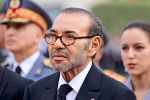
King Mohammed VI of Morocco maintains a firm grip on the kingdom's affairs through the "Palace," yet he is increasingly withdrawing from day-to-day governance. Despite his diminishing direct involvement, the monarchy remains the central pillar of power in Morocco. This dynamic suggests a reliance on established institutions and a carefully managed succession plan, even as the King's personal engagement wanes. The "Palace" apparatus continues to steer the nation, ensuring continuity and stability. This strategic approach allows the monarchy to project an image of strength and control, while adapting to the evolving needs of the kingdom. The King's withdrawal may be a calculated move to empower other state structures or a sign of personal preference, but its impact on the kingdom's political landscape is significant. The stability of Morocco hinges on the effective functioning of these institutions and the continued influence of the royal court.
The Moroccan monarchy's enduring power, despite the King's reduced personal engagement, highlights a sophisticated system of governance where institutional control supersedes individual leadership. This structure, while projecting stability, raises questions about long-term adaptability and the potential for future power vacuums if institutional mechanisms are not robust enough to manage transitions. The "Palace's" continued influence suggests a strategic effort to maintain centralized authority, potentially limiting the development of more decentralized democratic processes. In the coming decade, the effectiveness of this model will be tested by evolving societal expectations and the increasing demand for transparency and accountability, particularly in managing economic resources and addressing social inequalities.
AI-generated to prompt reflection — not editorial opinion, not advice, not a statement of fact. How this works.
