Morocco's World Cup Journey: European Talent, Homegrown Growth, and Ambition
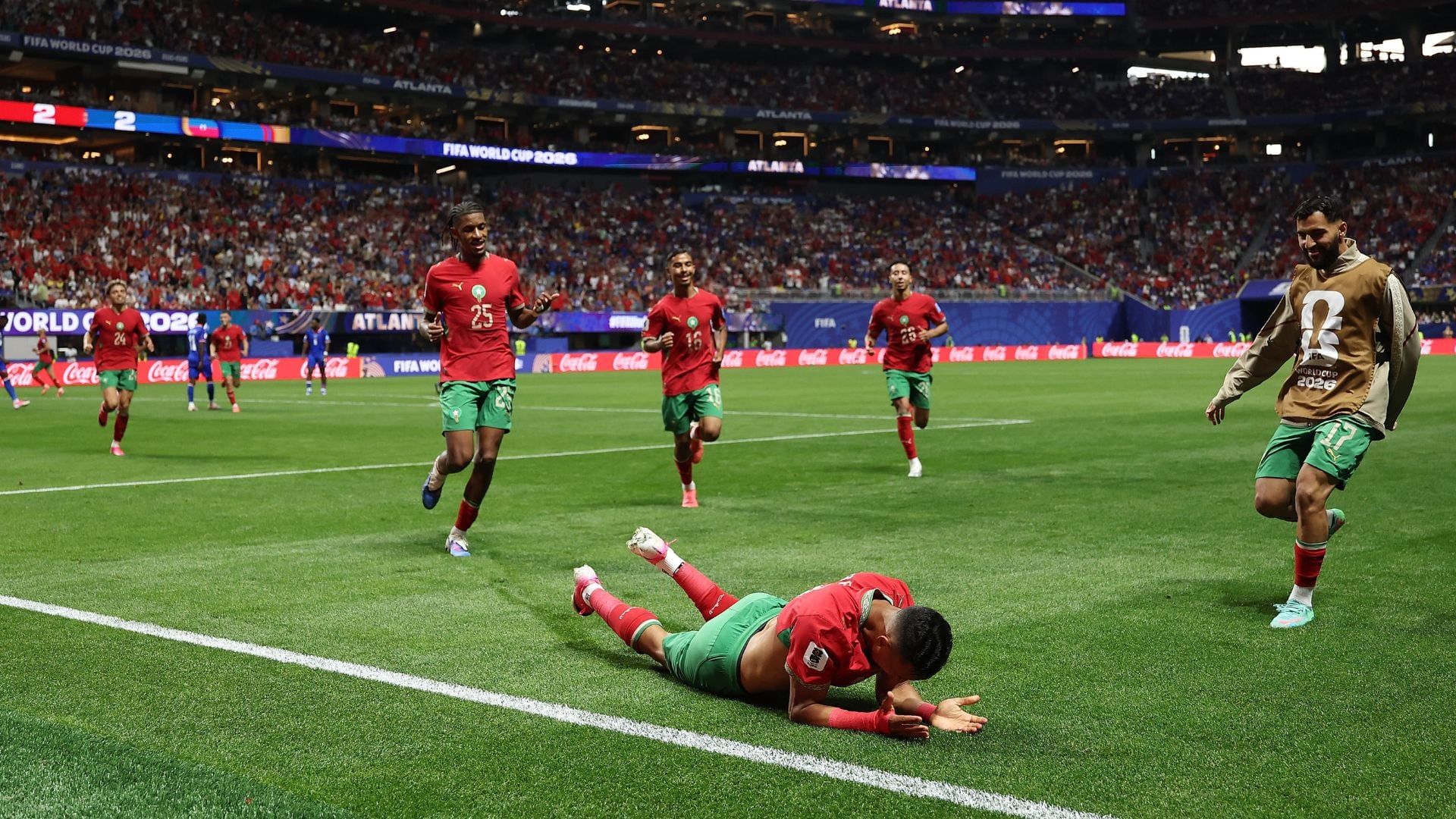
The Atlas Lions are aiming to surpass their historic fourth-place finish achieved in the Qatar 2022 World Cup. This ambition is built upon a decade-long strategy focused on enhancing their infrastructure and strengthening their connection with the nation. This afternoon, at 4 PM, Morocco will face France in the quarterfinals of the World Cup. The team's success is attributed to a deliberate policy implemented over more than ten years, which has concentrated on refining their facilities and fostering a strong bond with their national identity. This approach has allowed them to cultivate European talent and integrate it into their national team, alongside developing domestic capabilities. Their journey to this point in the tournament demonstrates the effectiveness of their long-term planning and commitment to football development.
Morocco's strategic investment in football infrastructure and talent development over the past decade appears to be yielding significant results, as evidenced by their strong performance in the World Cup. This approach, which integrates European-trained talent with a reinforced national identity, presents a compelling model for other nations seeking to elevate their global sporting standing. The team's success highlights the potential for sustained growth through dedicated policy and infrastructure enhancement, rather than relying solely on sporadic talent emergence. As the football landscape continues to evolve with increasing globalization and technological integration, Morocco's model could offer insights into sustainable development pathways that foster both national pride and international competitiveness.
AI-generated to prompt reflection — not editorial opinion, not advice, not a statement of fact. How this works.