Morro de São Paulo Entry Fee Hike Halted at R$70 Amid Economic Concerns
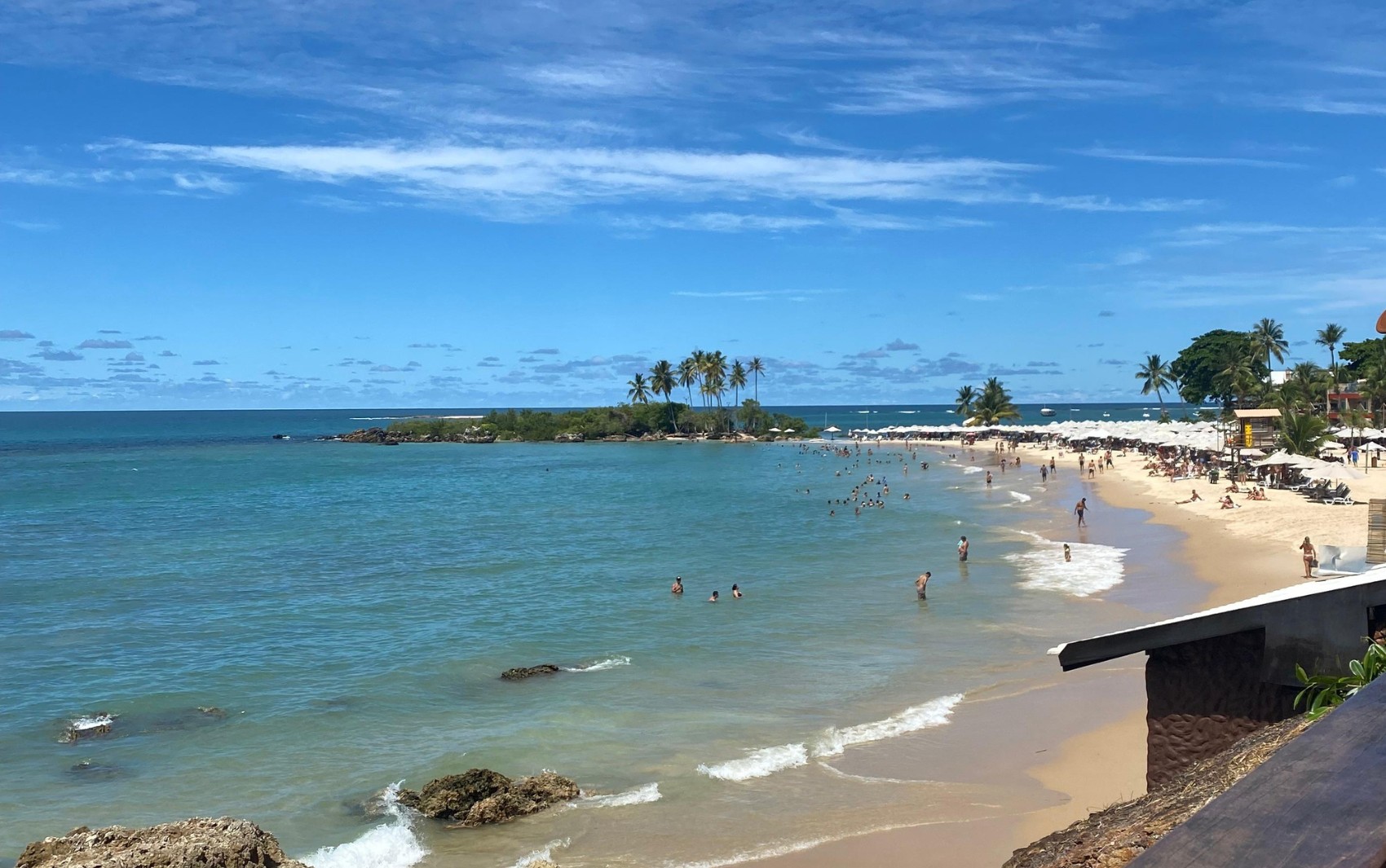
The planned increase of the tourist entry fee in Morro de São Paulo, a popular destination in Bahia, Brazil, has been suspended. The fee, known as the Tarifa por Uso do Patrimônio do Arquipélago (TUPA), was set to rise from R$70 to R$90 per visitor. This charge is collected at the entrance to Morro de São Paulo, located on Tinharé Island, which is administered by the municipality of Cairu. The decision to suspend the adjustment was announced by the prefecture on Wednesday, May 8th. The administration cited the upcoming World Cup, the 2026 election period, and the current economic crisis as reasons for pausing the increase. A future adjustment is anticipated once ongoing infrastructure projects in Morro de São Paulo and the nearby island of Boipeba are completed, though no specific timeline for these works has been provided. The TUPA is considered vital for managing the significant influx of tourists to these archipelagic destinations. Despite a resident population of 18,000, Morro de São Paulo and Boipeba collectively host around 800,000 tourists annually. A substantial portion of the TUPA revenue is allocated to waste management, including the monthly transport of approximately one thousand tons of garbage from the islands to the mainland.
The suspension of the Morro de São Paulo entry fee hike, attributed to economic conditions and upcoming events, highlights the delicate balance between tourism revenue generation and local economic stability. While the fee aims to fund essential services like waste management for a high-volume tourist destination, the prefecture's decision to delay the increase acknowledges the potential negative impact on visitor numbers during sensitive economic periods. This situation underscores a common challenge for tourism-dependent economies: managing infrastructure and environmental costs associated with visitor influx without deterring tourism itself. Future infrastructure development could potentially justify higher fees, but the timing and economic climate will remain critical factors in ensuring sustainable tourism growth and local economic well-being.
AI-generated to prompt reflection — not editorial opinion, not advice, not a statement of fact. How this works.