Morro do Diabo State Park: Largest Atlantic Forest Remnant in Interior São Paulo
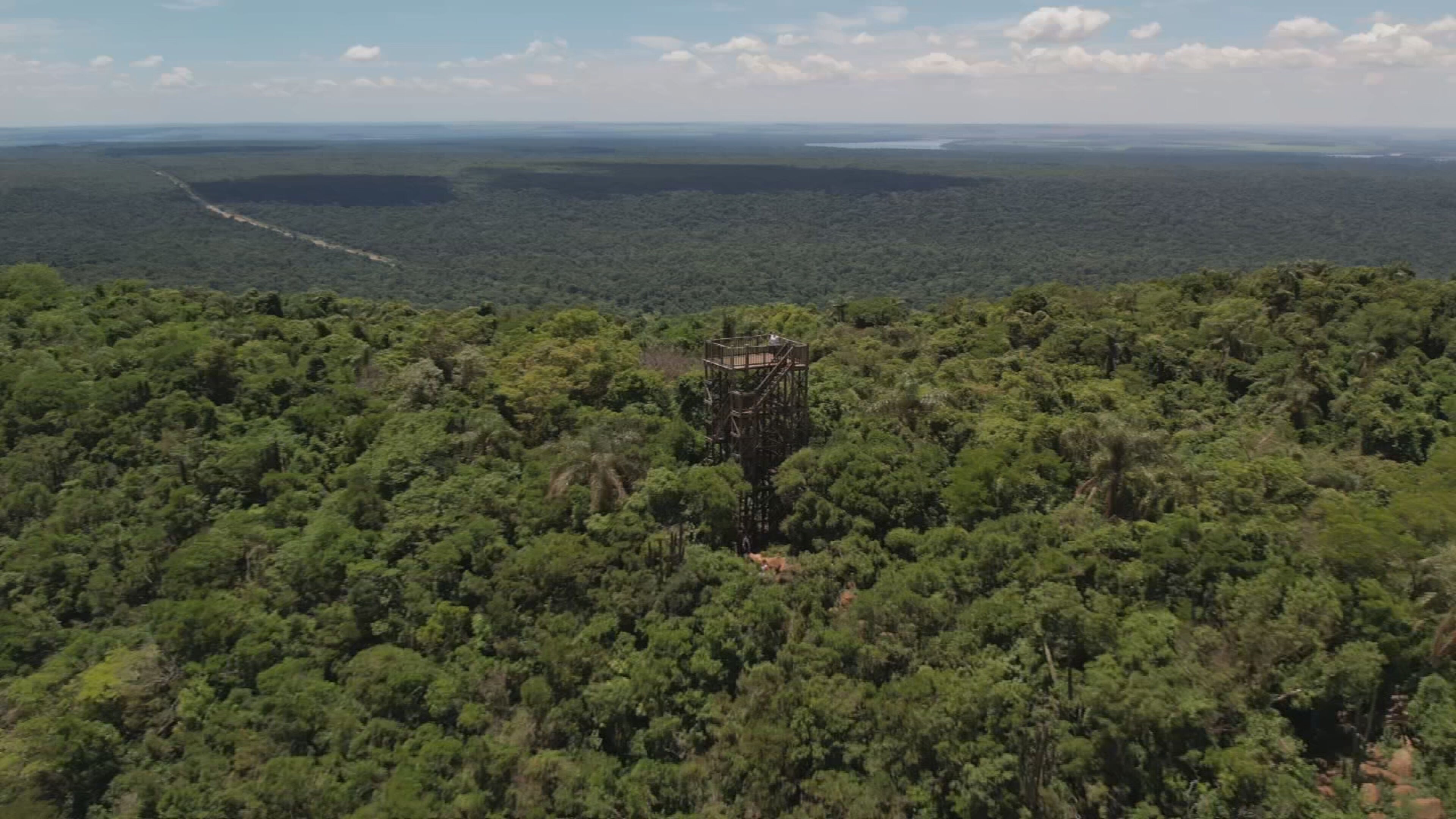
The Morro do Diabo State Park in Teodoro Sampaio, São Paulo, preserves the largest remnant of the Atlantic Forest in the interior of the state, spanning 33,845 hectares. Established in 1941 for forest conservation, the park serves as an ecological sanctuary for species including jaguars, howler monkeys, and anteaters. It is particularly noted for being home to the black lion tamarin, a species once thought extinct in the 1970s but rediscovered within the park. Morro do Diabo hosts the largest wild population of this primate, estimated at around 1,200 individuals. Beyond its conservation role, the park is a significant ecotourism hub in western São Paulo. Attractions include a 12-meter observation tower, mountaineering opportunities, hiking trails, and cycling routes, drawing approximately 2,000 visitors monthly. Geography professor Leonardo Nascimento Soares highlights the educational value of exposing students to this endangered biome for environmental awareness and conservation studies. The park's name, 'Morro do Diabo' (Devil's Hill), is linked to several local legends concerning its distinctive shape, historical events involving bandeirantes, and its association with a river current named by Teodoro Fernando Sampaio in 1886. Entry to the park is free from Tuesday to Sunday with advance online booking. Access to the Morro do Diabo trail requires a separate ticket, also bookable online. A special vacation program was scheduled to run until Wednesday, July 29th.
The Morro do Diabo State Park exemplifies the critical role of protected areas in preserving biodiversity and ecological integrity, particularly for endangered biomes like the Atlantic Forest. Its success in harboring species like the black lion tamarin underscores the effectiveness of dedicated conservation efforts, transforming a species' presumed extinction into a conservation triumph. The park's dual function as a conservation site and an ecotourism destination presents a sustainable model, generating revenue and awareness while minimizing environmental impact. However, the long-term viability of such parks is intrinsically linked to ongoing funding, effective management against external pressures like deforestation and climate change, and continued public engagement. Future challenges will likely involve balancing increased visitor numbers with habitat protection and potentially leveraging technological advancements for enhanced monitoring and visitor experience, ensuring the park remains a vital ecological refuge for decades to come.
AI-generated to prompt reflection — not editorial opinion, not advice, not a statement of fact. How this works.