Mosaic Fertilizer Production Slashed in Brazil Due to Sulfur Shortage Linked to Middle East Conflict
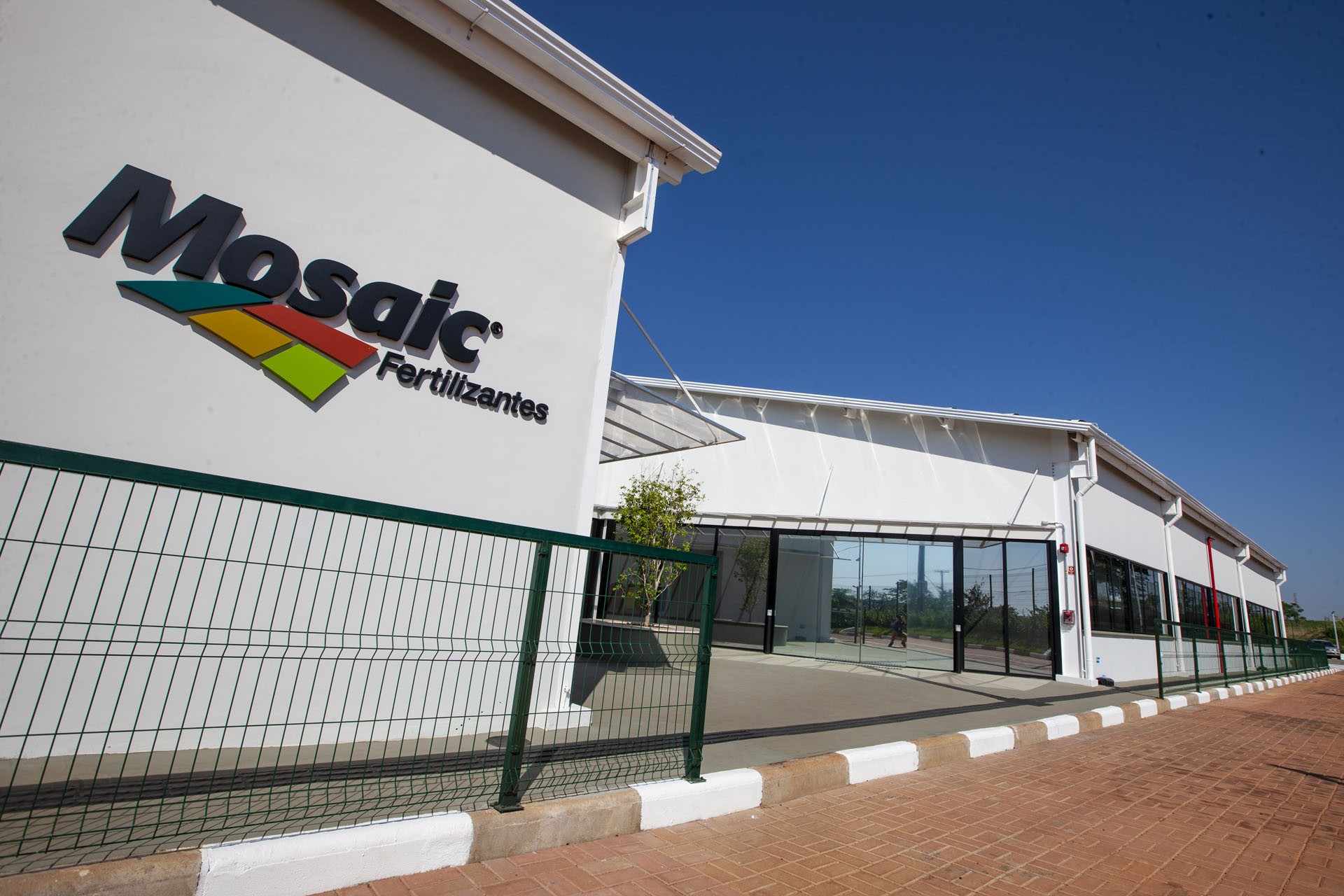
Mosaic Fertilizantes has announced a significant reduction in fertilizer production at several of its Brazilian factories due to a critical shortage of sulfur. Sulfur is an essential raw material for producing phosphate fertilizers, which are vital for crops like soybeans, corn, wheat, coffee, rice, vegetables, and fruits. The ongoing conflict in the Middle East has disrupted maritime transport in the Persian Gulf, a primary sulfur export region. This disruption has led to increased costs and difficulties in sourcing sulfur for Brazil. The company stated that approximately four tons of sulfur are needed to produce ten tons of DAP or MAP fertilizers. Given the global supply reduction and rising sulfur prices, Mosaic has revised its operational plan for the second half of 2026, necessitating temporary production adjustments at specific units. Operations at Candeias (BA) and Catalão (GO) will be temporarily halted, with potential impacts on workers pending union negotiations. Production will be reduced at Palmeirante (TO) and Sorriso (MT), possibly affecting staffing levels. Temporary shutdowns at Tapira (MG) and Catalão (GO) are expected to be extended. The Uberaba (MG) complex will be gradually hibernated starting in September due to persistent sulfur supply limitations. In contrast, the Fospar Port in Paranaguá (PR) will continue normal operations, with fertilizer production slated to last until late September when sulfuric acid stocks are depleted. The Cajati (SP) unit will remain operational, utilizing imported sulfur for animal nutrition production. Mosaic cannot currently predict when the situation will normalize, stating it depends on falling sulfur prices, the recovery of global supply chains, the reopening of international shipping routes, and the progression of the Middle East conflict.
The disruption in sulfur supply to Brazil, directly linked to geopolitical instability in the Middle East, highlights the fragility of global supply chains for essential agricultural inputs. This event underscores the systemic risk posed by concentrated sourcing regions and the impact of international conflicts on domestic food production capabilities. Companies like Mosaic face a complex trade-off between maintaining operational capacity and managing volatile input costs, necessitating strategic diversification of supply sources and potentially investing in alternative production methods or domestic sulfur extraction where feasible. Over the next decade, such supply chain vulnerabilities will likely intensify, demanding greater resilience and foresight in resource management to ensure food security.
AI-generated to prompt reflection — not editorial opinion, not advice, not a statement of fact. How this works.