Mosaic to Halt Uberaba Fertilizer Plant Due to Sulfur Shortage and Price Hikes
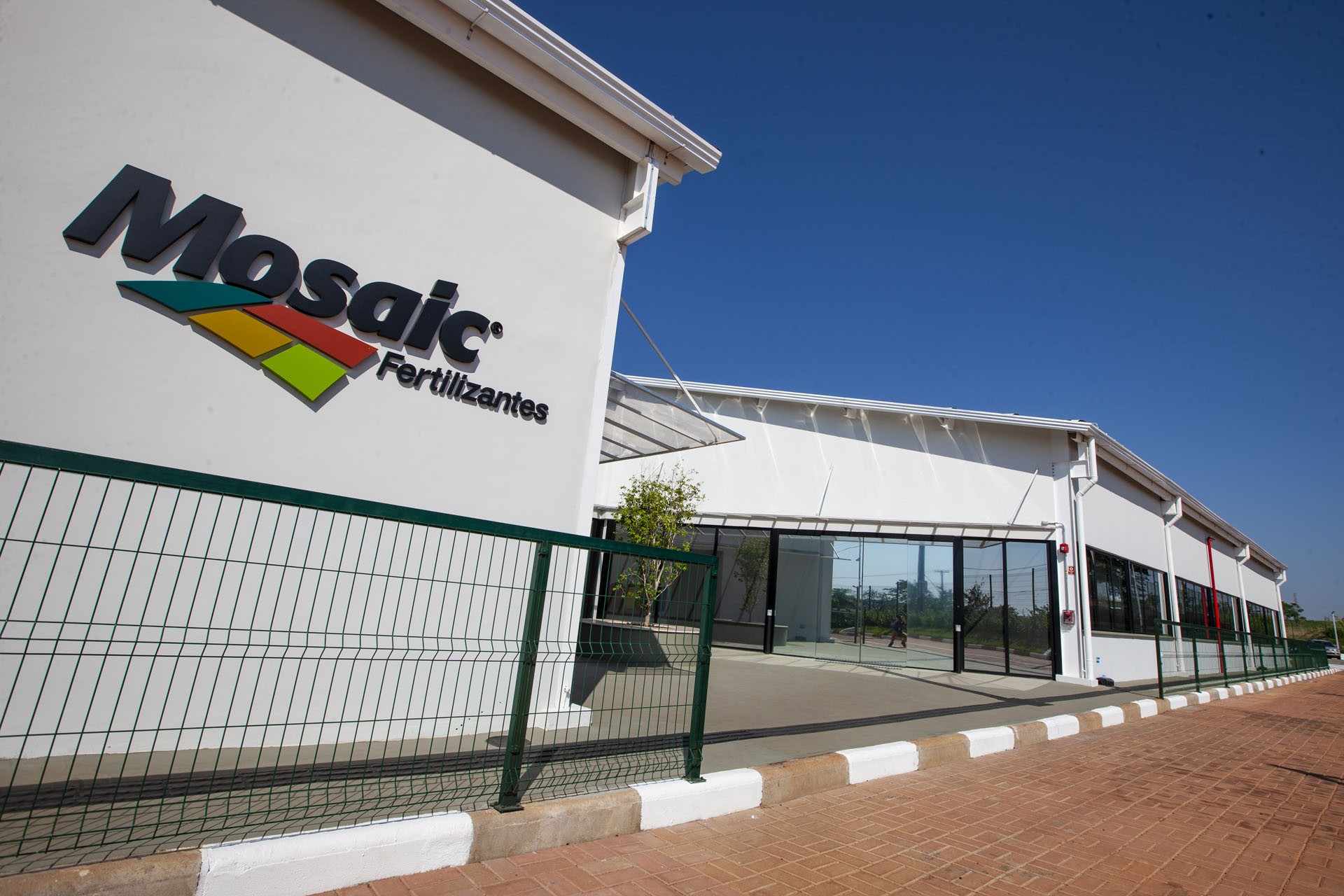
Mosaic Fertilizantes has announced a planned temporary shutdown of its Uberaba, Brazil, facility starting in September, citing restrictions in the global supply of sulfur. Sulfur is a critical component in the production of phosphate fertilizers, with approximately four tons required to produce ten tons of DAP or MAP fertilizers. The company confirmed the gradual hibernation of the complex in a press statement but did not specify the impact on the unit's workforce. Mosaic has already implemented temporary production cuts at some of its phosphate operations in Brazil in response to global supply reductions and rising sulfur prices. The company views this measure as a temporary adjustment to market conditions, not a deviation from its long-term strategy, and anticipates resuming full operations once global sulfur supply normalizes. However, no timeline for this resumption has been provided, as it depends on external factors like price stabilization, supply chain normalization, international shipping route reopenings, and geopolitical developments. The union representing workers in Uberaba, Stiquifar, has scheduled a meeting with Mosaic to discuss strategies for minimizing the impact on employees and preserving jobs. Beyond Uberaba, Mosaic plans to extend temporary shutdowns at its Tapira (MG) and Catalão (GO) units, and halt mixing activities at Candeias (BA) and Catalão (GO). Production will be reduced at Palmeirante (TO) and Sorriso (MT), potentially affecting staff levels. Conversely, the Fospar port in Paranaguá (PR) will continue normal operations, and the Cajati (SP) facility will maintain production for animal nutrition with imported sulfur.
The temporary hibernation of Mosaic's fertilizer production units, particularly in Uberaba, Brazil, highlights the fragility of global supply chains for essential agricultural inputs. The reliance on a single commodity, sulfur, for a significant portion of fertilizer production exposes the industry to geopolitical risks and price volatility. While Mosaic frames this as a temporary market adjustment, the prolonged uncertainty surrounding sulfur supply and pricing could necessitate a strategic re-evaluation of diversification in sourcing or alternative production methods. The situation underscores the systemic vulnerability of food security to disruptions in the chemical and mining sectors, prompting consideration of long-term strategies for supply chain resilience and potentially regionalized production to mitigate global dependencies and their associated economic and social impacts on workforces.
AI-generated to prompt reflection — not editorial opinion, not advice, not a statement of fact. How this works.