Moscow restaurant blast kills three, suspected target may have been Russian general
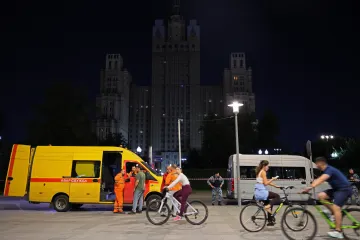
An explosion outside a high-end restaurant in Moscow on Saturday resulted in three fatalities and injured approximately twenty people. The National Anti-Terrorism Committee, citing the TASS agency, announced that the blast was caused by a homemade explosive device. The motive behind the attack remains unclear at this time, and authorities have not confirmed if it was politically motivated. However, some Russian media outlets have suggested that the intended target might have been a Russian general. This general is alleged by Ukraine to have participated in the Bucha massacre. The incident has raised concerns about potential targeted attacks and the security situation in Moscow.
This event highlights the volatile security landscape and the potential for asymmetric tactics to be employed in urban environments. The use of a homemade explosive device suggests a degree of planning and resourcefulness by the perpetrators. The reported possibility of a high-ranking military official being the intended target, particularly one linked to alleged war crimes, indicates a potential escalation in retaliatory actions or targeted assassinations. Future developments will likely depend on the effectiveness of counter-terrorism measures and the geopolitical context influencing such actions. The incident underscores the persistent challenges in distinguishing between politically motivated terrorism and other forms of violent crime, especially when state actors are implicated.
AI-generated to prompt reflection — not editorial opinion, not advice, not a statement of fact. How this works.