Mosque Construction in Japan Sparks Debate on Immigration and National Identity
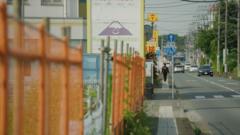
The construction of a mosque in Fujisawa, Japan, has ignited a broader discussion about the nation's future, immigration, and the preservation of its national identity. This debate arises as Japan increasingly relies on migrants to address its significant labor shortages. The mosque project has become a focal point for these complex societal issues. It highlights the tension between the need for foreign workers and concerns about maintaining Japan's cultural distinctiveness. The situation in Fujisawa reflects a growing challenge for many developed nations facing demographic shifts. As Japan navigates this period, the mosque's presence serves as a catalyst for examining its evolving social fabric. The discussions encompass how to integrate newcomers while respecting traditional values. This event underscores the delicate balance required for societies undergoing demographic transitions.
The construction of a mosque in Fujisawa, Japan, highlights a common challenge for nations experiencing demographic shifts and labor shortages. As Japan seeks to integrate migrant populations to fill workforce gaps, societal discussions often surface regarding national identity and cultural preservation. This situation presents a complex interplay between economic necessity and social cohesion. The debate prompts consideration of how governance structures can facilitate integration while respecting diverse cultural norms. Looking ahead, Japan's approach to this issue will likely shape its long-term demographic and social trajectory, influencing its capacity to adapt to a globalized, aging world.
AI-generated to prompt reflection — not editorial opinion, not advice, not a statement of fact. How this works.