Mosquito's Monologue: A Plea for Forgiveness and a Threat of Revenge
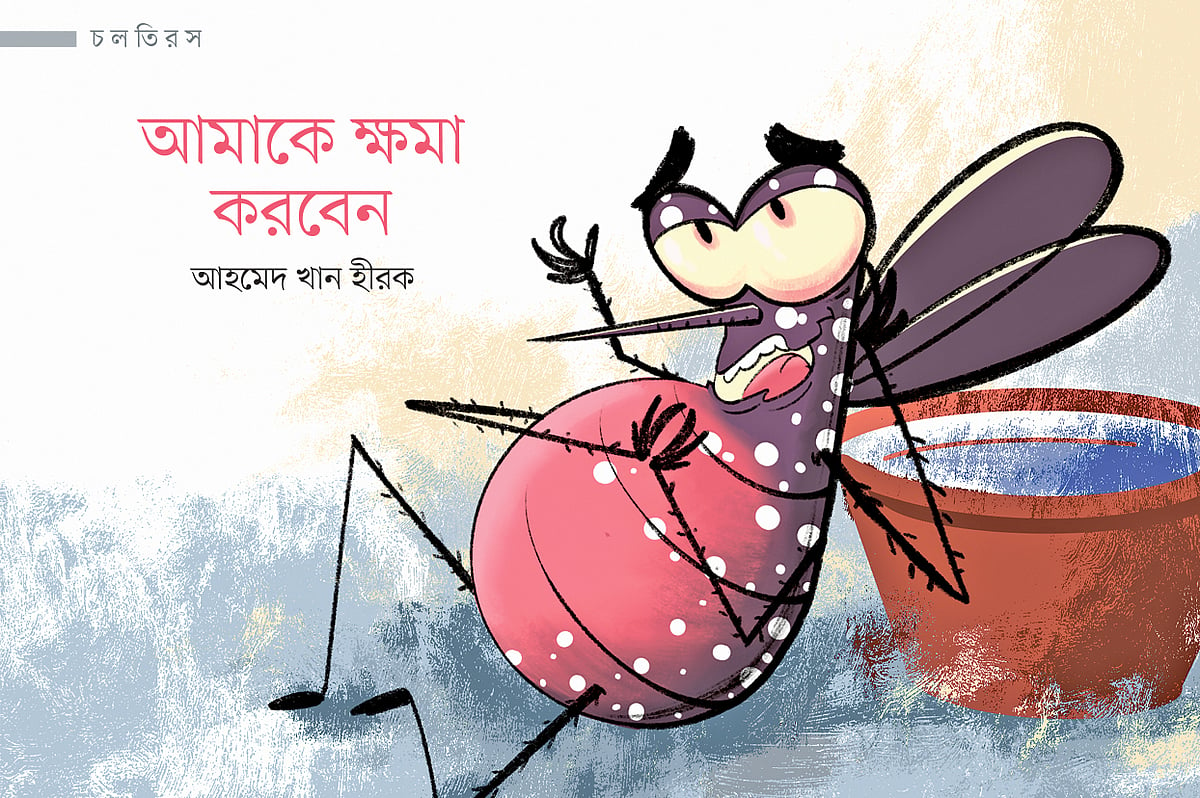
A mosquito, speaking from its perspective, expresses a desire to become human and laments the loss of one of its six legs due to a human's slap. The mosquito recounts an incident where it was feeding on the blood of a tired office worker, describing humans who work too hard as becoming 'vegetables' or 'potatoes' due to stress, making them easy targets. The slap, delivered by the worker's wife, caused the mosquito to lose a leg, an event it finds unacceptable. The mosquito also voices grievances against humans for their various methods of pest control, including mosquito coils that produce smoke and electric rackets that kill its relatives. It questions why humans object to its need for a small amount of blood when humans donate much larger quantities in hospitals. The mosquito feels that the smoke from coils is more harmful to humans than its bite and that the electric rackets are a cruel form of extermination. It vows revenge for the harm inflicted upon its kind. The mosquito reveals it has intentionally infected itself with dengue serum from its 'laboratory' in stagnant water, intending to transmit the disease to humans as retribution. It also expresses gratitude to humans for creating breeding grounds for mosquitoes in stagnant water in pots, AC units, and drains, and even finds the smoke from City Corporation fogging trucks to be strangely pleasant, inducing a state of euphoria. In this state, the mosquito admits to biting humans and repeatedly asking for forgiveness, which its friend attributes to addiction and repetitive behavior.
This narrative offers a unique, albeit anthropomorphic, perspective on the human-mosquito conflict, framed as a cycle of harm and retaliation. The mosquito's grievances, while exaggerated, highlight human contributions to mosquito proliferation through poor waste management and stagnant water accumulation. The mosquito's self-inflicted dengue infection serves as a potent metaphor for the unintended consequences of human actions that can lead to the spread of disease. The analysis should consider the systemic failures in public health infrastructure and urban planning that create environments conducive to disease vectors, rather than focusing solely on individual human-mosquito interactions. The mosquito's plea for forgiveness, juxtaposed with its stated intent for revenge, underscores the complex, often symbiotic, and sometimes destructive relationship between humanity and the natural world, particularly in urbanized settings. Future interventions must address root causes of disease transmission and vector breeding, promoting sustainable urban development and public health awareness.
AI-generated to prompt reflection — not editorial opinion, not advice, not a statement of fact. How this works.
