Mosquitoes Develop Insecticide Resistance Through Genetic Mutation, Study Finds
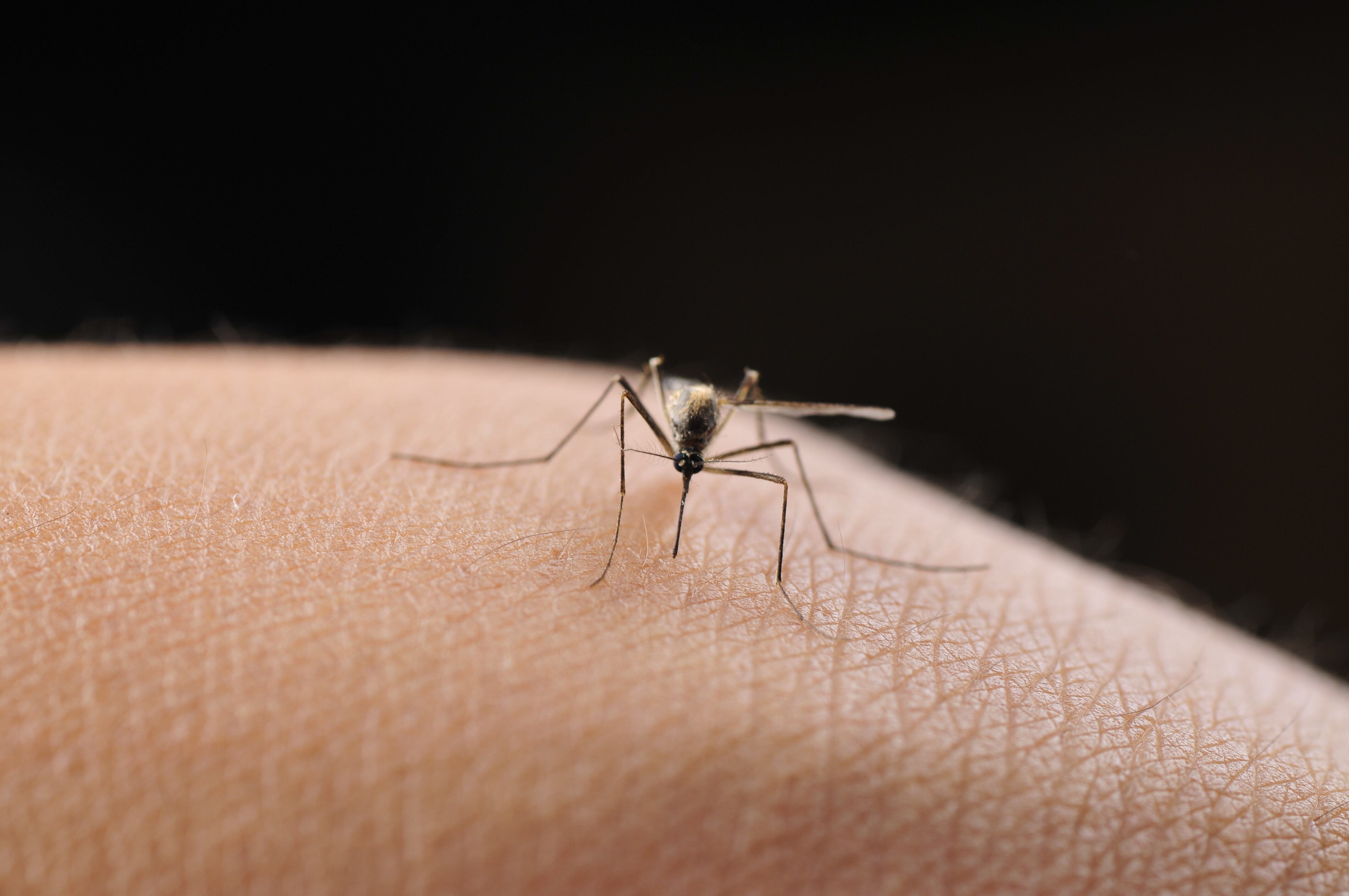
A recent study has uncovered the specific mechanism by which mosquitoes are developing immunity to insecticides, effectively "winning the war against humans." Researchers have identified a genetic mutation that allows these insects to overcome the chemical agents designed to eliminate them. This discovery sheds light on the growing challenge of controlling mosquito populations, which are vectors for numerous diseases. The study details how this resistance mechanism functions at a molecular level, explaining the insects' ability to survive exposure to commonly used pesticides. This finding is crucial for understanding the evolving dynamics between humans and disease-carrying insects. The development of insecticide resistance poses a significant threat to public health efforts aimed at preventing mosquito-borne illnesses. Scientists are now exploring new strategies to combat these resilient insects. The research highlights the urgent need for innovative approaches to vector control. This genetic adaptation by mosquitoes underscores the continuous evolutionary battle between pest species and human intervention. The study's findings will inform the development of next-generation insecticides and integrated pest management strategies.
The observed genetic mutation in mosquitoes conferring insecticide resistance represents a classic evolutionary arms race scenario. This phenomenon highlights the adaptive capacity of biological systems when subjected to selective pressures, such as widespread pesticide application. From a public health perspective, this necessitates a continuous cycle of innovation in vector control strategies, moving beyond single-agent reliance. Future approaches may need to integrate genetic modification techniques, novel chemical compounds with different modes of action, or enhanced environmental management practices to disrupt mosquito breeding cycles. Understanding these adaptive mechanisms is critical for developing sustainable, long-term solutions that anticipate rather than merely react to evolving pest resistance in the context of global health challenges.
AI-generated to prompt reflection — not editorial opinion, not advice, not a statement of fact. How this works.