Mossoró Court Orders Urgent Repairs for Adolescent Shelter
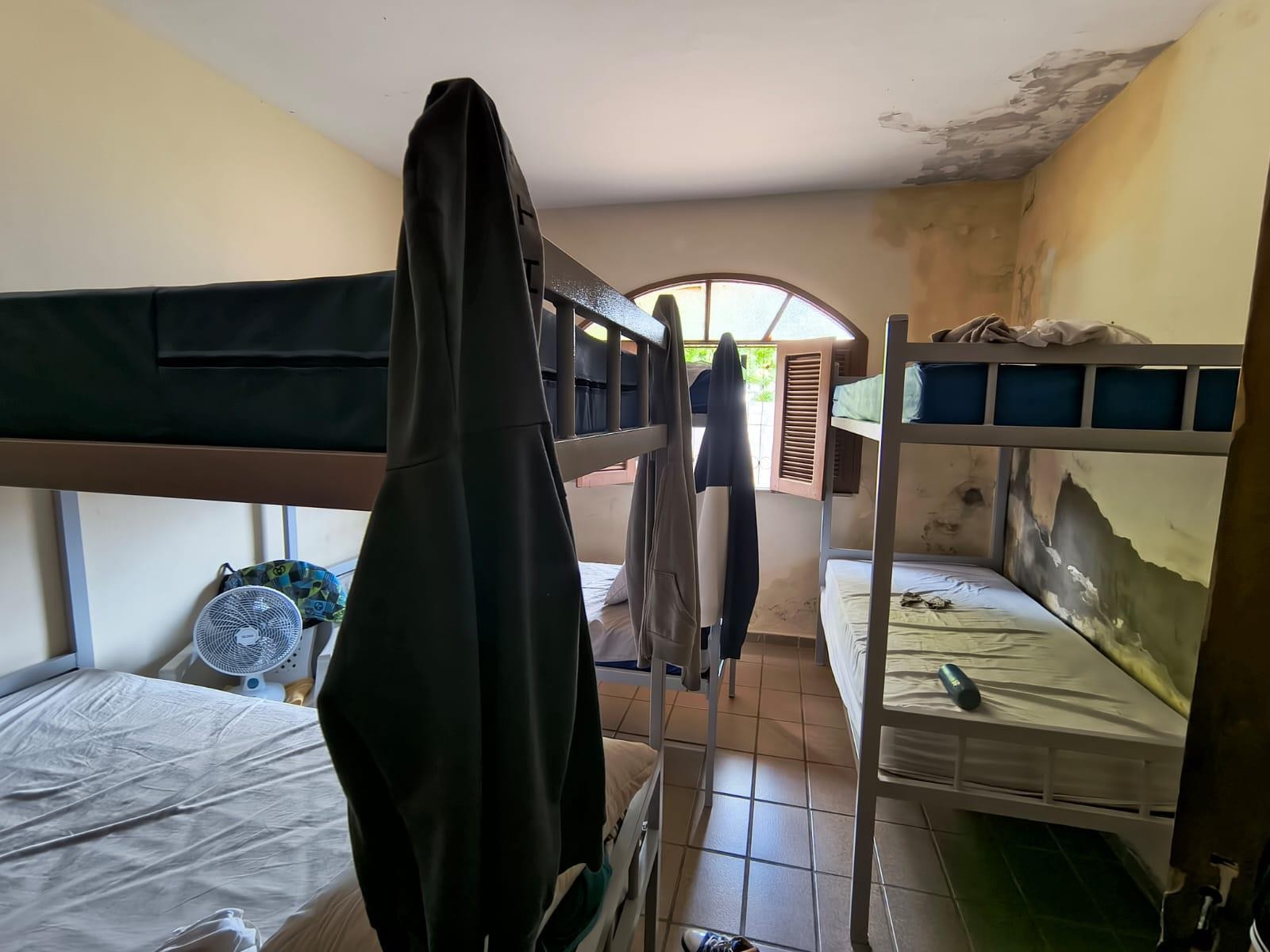
A court in Rio Grande do Norte has mandated "urgent measures" for the Institutional Adolescent Shelter (AIA) in Mossoró, Brazil, following a legal challenge by the Public Prosecutor's Office (MPRN). The judicial decision acknowledges significant risks to the physical integrity, health, and dignity of the young residents. Inspections revealed critical issues including faulty electrical systems with documented short circuits and fire hazards, water infiltration, plumbing and sanitation problems, inadequate ventilation, damaged furniture, and accessibility deficiencies. The MPRN also highlighted a lack of regular provision of fruits and vegetables, and difficulties in accessing specialized health and educational services for the adolescents. The AIA, established in 2018 in the Nova Betânia neighborhood, aims to provide temporary housing and protection for adolescents who have experienced fundamental rights violations. The court's order requires the Mossoró Municipality to immediately address structural risks, ensure consistent food supply, and guarantee access to essential health services. While these urgent repairs are to be implemented, further requests by the MPRN for the permanent restructuring of the unit will continue to be evaluated in the main legal action. The court noted that previous administrative efforts by the MPRN to resolve these issues through meetings with the municipality had been unsuccessful.
The judicial intervention in the Mossoró adolescent shelter highlights systemic failures in public service provision, particularly concerning vulnerable populations. The court's "urgent measures" underscore a gap between the stated aims of social protection policies and their on-the-ground execution, driven by potential resource misallocation or governance deficiencies within the municipality. The MPRN's escalation to judicial action after administrative attempts failed suggests a breakdown in inter-agency collaboration and accountability. Looking ahead, this situation prompts a broader examination of oversight mechanisms for institutional care facilities and the long-term sustainability of funding and maintenance to prevent such critical conditions from recurring, ensuring that the welfare of adolescents remains a consistent priority beyond immediate crisis response.
AI-generated to prompt reflection — not editorial opinion, not advice, not a statement of fact. How this works.