Most Distant Quasars Ever Detected
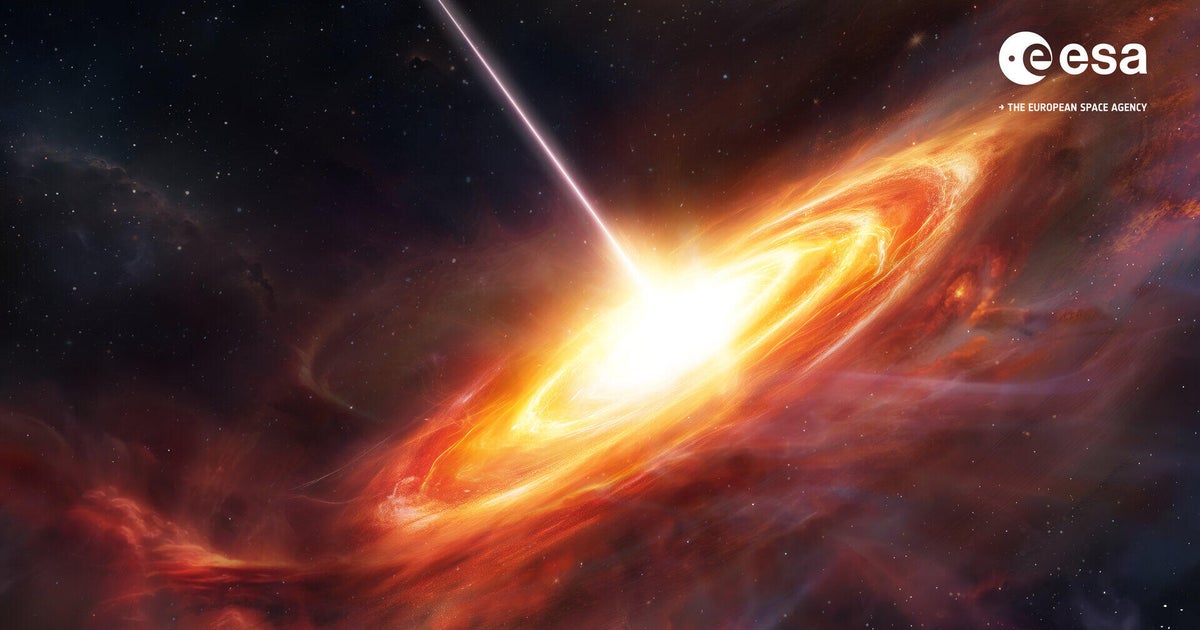
Astronomers have identified the most distant quasars ever discovered, pushing the boundaries of our understanding of the early universe. Quasars are known to be the most luminous objects in the cosmos, fueled by supermassive black holes residing at the centers of nascent galaxies. These newly found quasars offer a unique window into the conditions and structures that existed billions of years ago, shortly after the Big Bang. Studying these ancient celestial phenomena allows scientists to probe the formation and evolution of the first galaxies and the supermassive black holes that shaped them. The discovery was made possible through advanced telescopic observations, which can detect the faint light from these extremely remote objects. Further analysis of these quasars is expected to provide crucial data on the reionization epoch, a pivotal period when the universe transitioned from a neutral state to an ionized one. This research contributes significantly to cosmology and our quest to comprehend the universe's origins and development.
The discovery of the most distant quasars represents a significant advancement in observational cosmology, offering empirical data on the universe's earliest epochs. By detecting these extremely luminous objects, scientists can refine models of early galaxy formation and the co-evolution of supermassive black holes. This observational evidence is critical for understanding the physical processes that governed the universe in its infancy, potentially resolving long-standing questions about cosmic structure formation and the mechanisms driving reionization. Future research will likely focus on characterizing the properties of these quasars to better constrain cosmological parameters and test theories of structure formation under extreme early-universe conditions.
AI-generated to prompt reflection — not editorial opinion, not advice, not a statement of fact. How this works.