Most Lunar Water Likely Trapped Within Moon's Deep Interior
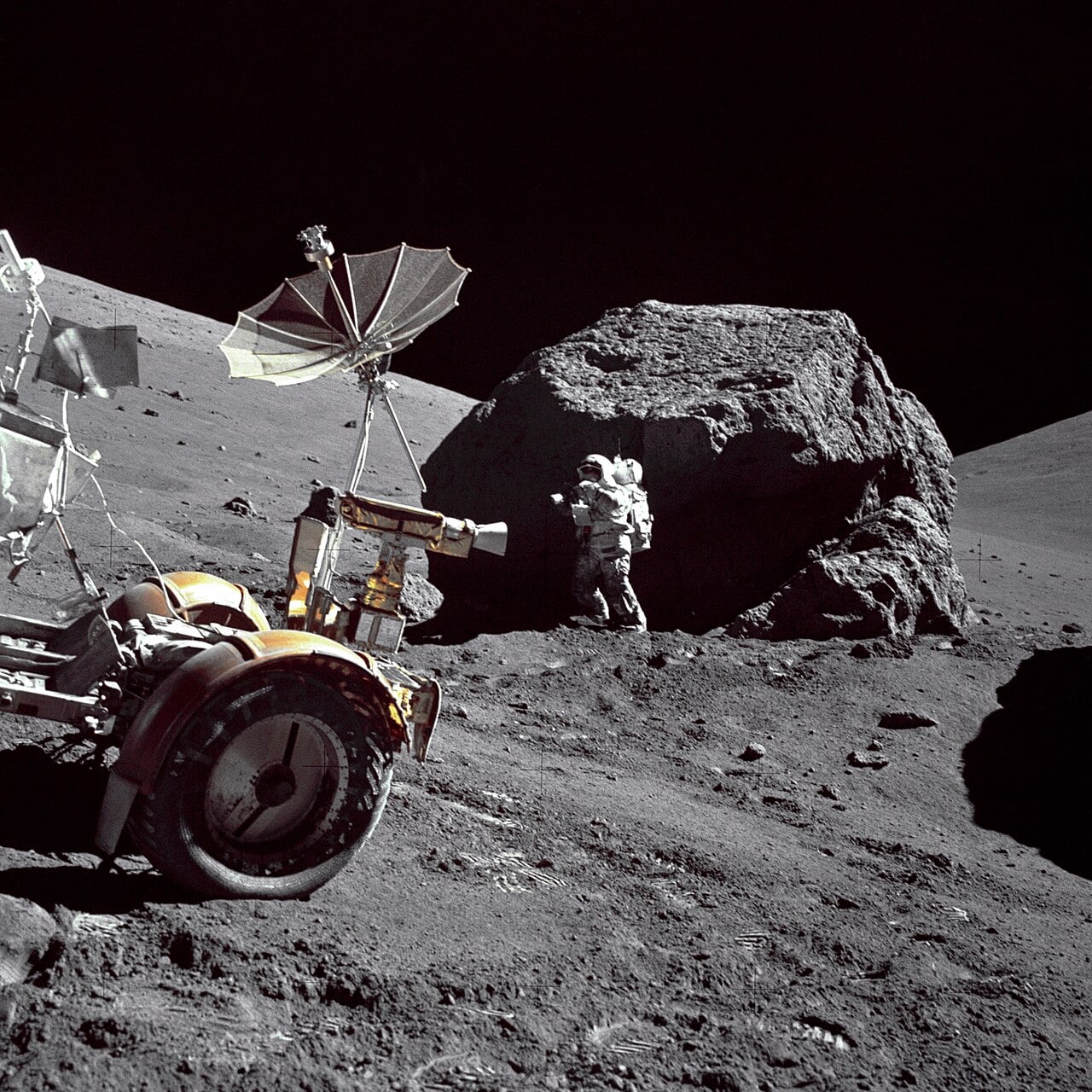
Beyond the water present in the Moon's permanently shadowed polar craters, the majority of lunar water is believed to be chemically bound within its deep interior. This suggests that accessible water on the Moon may be more limited than previously thought. The discovery has significant implications for future lunar exploration and resource utilization. Understanding the distribution and form of lunar water is crucial for planning missions that rely on in-situ resource utilization (ISRU). The chemical binding implies that extracting this water would require advanced technological processes. This contrasts with the more readily accessible ice found in polar craters. Further research is needed to quantify the amount of water bound in the interior and to develop methods for its extraction. The findings contribute to our broader understanding of the Moon's geological history and evolution.
The distribution of lunar water, with a significant portion likely bound chemically within the Moon's interior, presents a complex challenge for resource utilization. While polar craters offer a more accessible source, the vast quantity potentially locked deep within the Moon necessitates advanced extraction technologies. This dynamic influences the economic viability and strategic planning of lunar bases, shifting focus from simple collection to sophisticated processing. Future missions will need to balance the immediate needs for water with the long-term investment in developing these extraction capabilities, shaping the trajectory of lunar development in the coming decade.
AI-generated to prompt reflection — not editorial opinion, not advice, not a statement of fact. How this works.