Most Migrants Voluntarily Leave Spanish Enclave of Ceuta After Influx
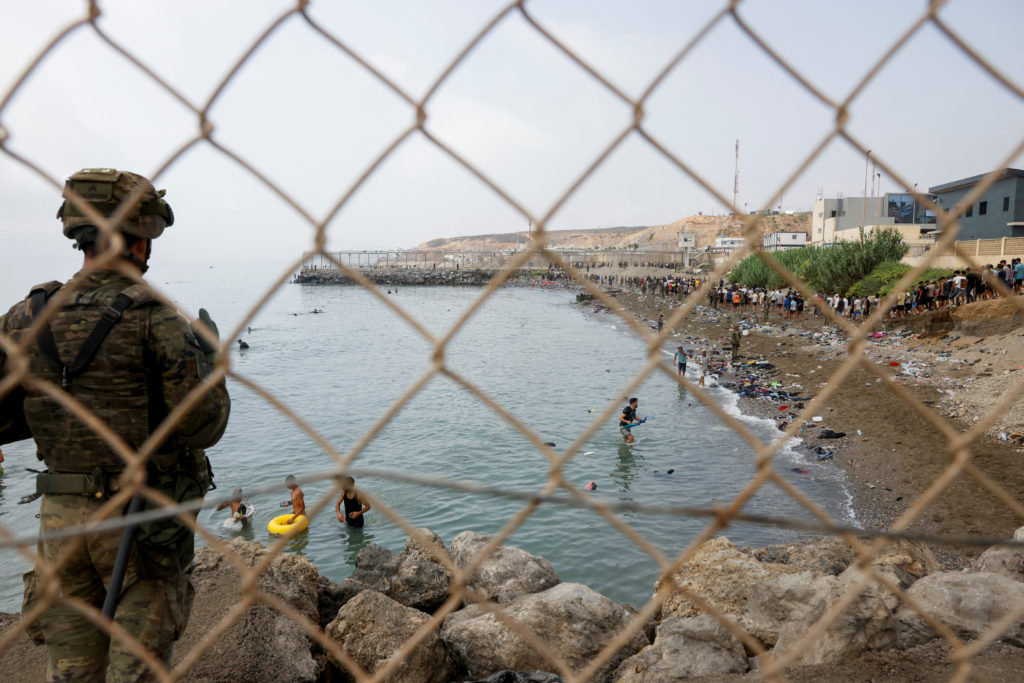
Approximately 60,000 migrants, primarily young Moroccans, who entered the Spanish territory of Ceuta have since departed voluntarily. Many of these individuals had initially sought better employment prospects in Spain. However, they reported returning to their home country due to the chaotic situation that developed in Ceuta following their arrival. The influx of migrants created significant disruption, prompting many to reconsider their plans and opt for repatriation. The Spanish authorities confirmed that a majority of those who crossed the border have now left the enclave. This situation highlights the complex challenges faced by both migrants seeking opportunities and the host territories managing large-scale arrivals.
The voluntary departure of a significant number of migrants from Ceuta suggests that the immediate conditions within the enclave, rather than a definitive change in long-term aspirations, heavily influenced their decision-making. This event underscores the critical role of perceived stability and immediate opportunity in migration decisions. For migrants, the chaotic environment likely presented unforeseen risks and diminished the likelihood of achieving their initial goals, leading to a rational reassessment of their strategy. From a policy perspective, the situation highlights the need for proactive measures to manage border influxes, ensuring that humanitarian concerns are balanced with the capacity of host territories to provide a stable environment. Future approaches could focus on addressing root causes of migration and establishing more predictable and humane processing systems to mitigate such volatile situations.
AI-generated to prompt reflection — not editorial opinion, not advice, not a statement of fact. How this works.