Most Populous Nations Absent from World Cup
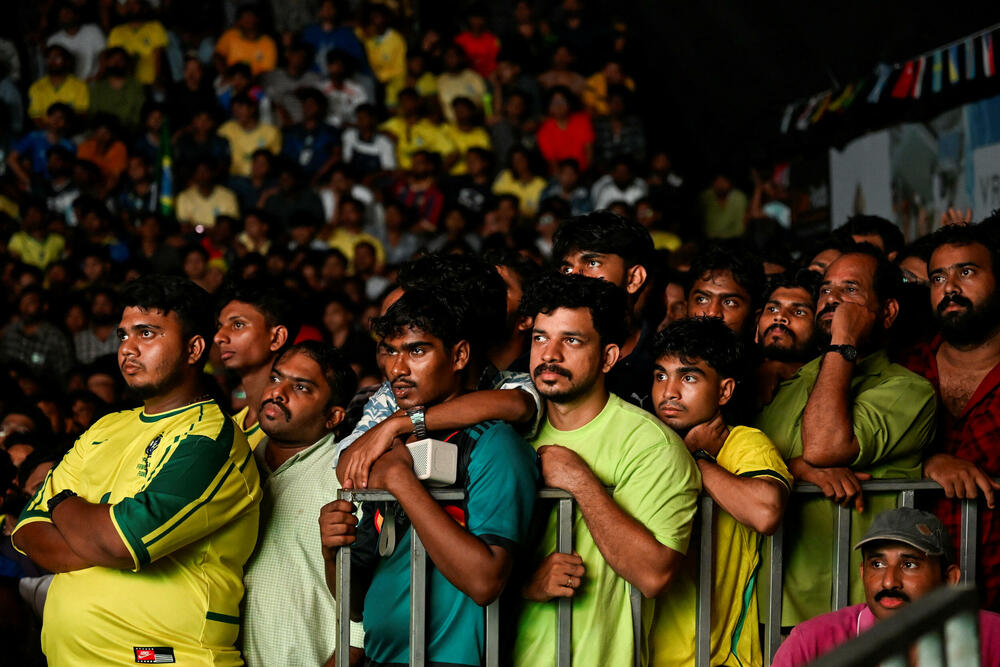
A significant majority of the world's most populous countries are not participating in the current World Cup. Out of the ten most populous nations globally, eight have failed to qualify for the tournament. This absence highlights that population size alone is not a decisive factor in footballing success or qualification for major international competitions. While other elements like infrastructure, development of talent, and league strength are crucial, the data points to a disconnect between sheer population and on-field performance at the highest level of international football. The specific identities of these eight nations were not provided, but their collective absence is a notable trend.
The World Cup's participant list, notably excluding eight of the ten most populous nations, prompts an examination of the global football development landscape. This disparity suggests that factors beyond demographic scale, such as robust youth academies, professional league structures, and strategic investment in coaching and infrastructure, are more predictive of international success. The event underscores the complex interplay between national resources, sporting culture, and the ability to consistently produce world-class talent. Future analysis might explore how nations with smaller populations achieve elite status, offering insights into effective development models that could be emulated globally.
AI-generated to prompt reflection — not editorial opinion, not advice, not a statement of fact. How this works.