Mother accused of killing 3 children: 911 call from desperate father played at trial
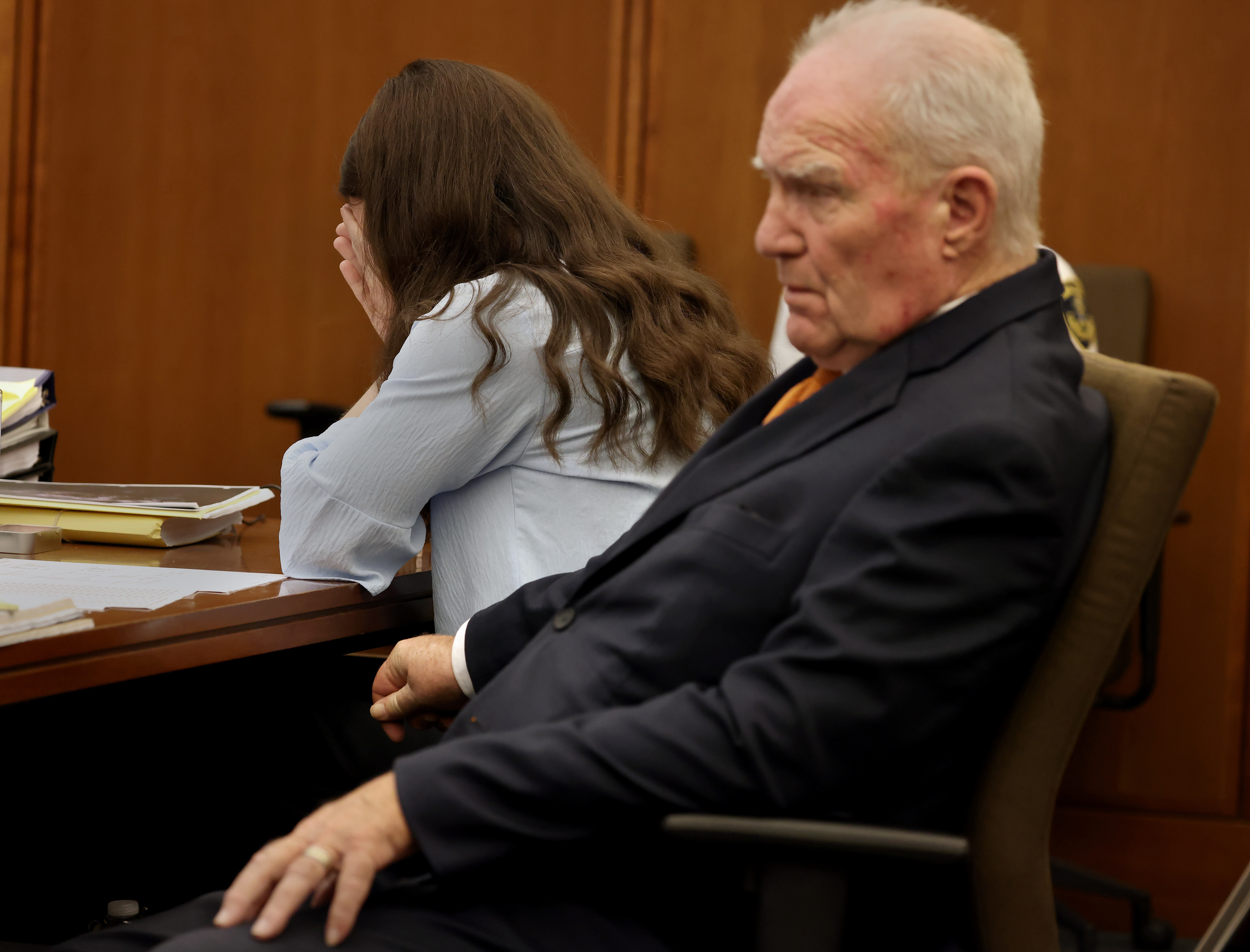
During the trial of Lindsay Clancy, accused of murdering her three young children, jurors heard a harrowing 911 call placed by her then-husband, Patrick Clancy. The recording captured Patrick's frantic search for their children, Dawson (3), Cora (5), and Callan (8 months), after finding his wife severely injured and bleeding in their Duxbury, Massachusetts, home on January 24, 2023. He discovered the children strangled in the basement, leading him to scream at the dispatcher, "She killed the children!" Clancy, a former obstetric nurse, is on trial for the homicides, with the prosecution arguing she intentionally killed her children and should be held criminally responsible. The defense contends that Clancy suffered from postpartum psychosis, a rare psychiatric disorder, and was experiencing severe mental distress, including hearing voices. They argue that prescribed antidepressants worsened her condition. The defense presented evidence of Clancy's meticulous daily records detailing her deteriorating mental state, including "horrible thoughts," and her use of resources on postpartum anxiety. The prosecution claims Clancy orchestrated her husband's departure to buy food and medication as a ruse to commit the murders. Patrick Clancy testified that his wife's mental health had declined in the months prior, leading to intrusive thoughts about harming the children and herself, and that she had been hospitalized for postpartum mood disorders. He stated he was never advised to keep her from being alone with the children. The trial will determine whether Clancy is criminally liable or should be committed to a state psychiatric institution. Patrick Clancy has publicly stated he forgives his ex-wife, believing she was ill.
This case highlights the profound challenges in distinguishing criminal intent from severe mental illness, particularly in the context of postpartum disorders. The legal system faces the complex task of balancing accountability with the recognition of debilitating psychiatric conditions. The defense's argument for postpartum psychosis and the prosecution's focus on premeditation underscore the critical role of expert testimony and evidence regarding the defendant's mental state. Future legal and medical frameworks may need to address how to better identify, treat, and monitor individuals at high risk for severe postpartum mental health crises to prevent such tragedies, ensuring that appropriate care is provided without compromising public safety or individual rights.
AI-generated to prompt reflection — not editorial opinion, not advice, not a statement of fact. How this works.