Mother Arrested for Child Neglect in Sorocaba Released, Barred from Contact
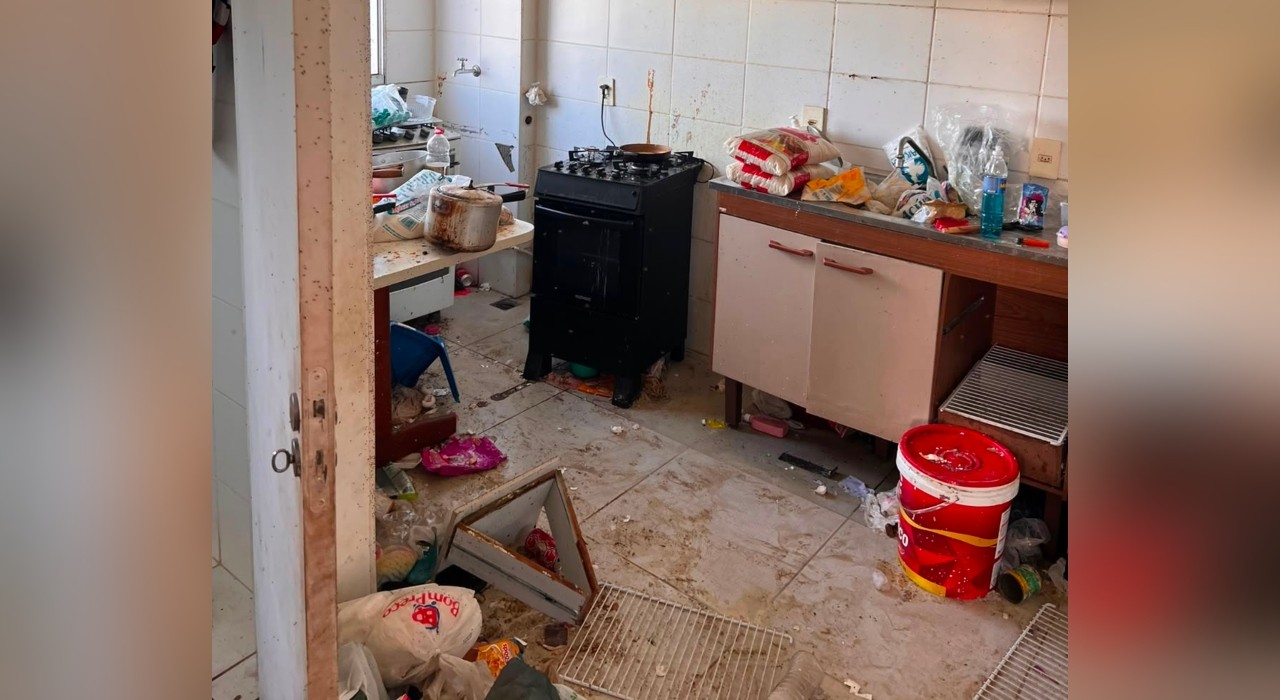
A mother arrested in Sorocaba, São Paulo, Brazil, on suspicion of abandoning her three children in unsanitary conditions has been released following a custody hearing. The court has prohibited her from approaching the children. The incident came to light after a tip-off about the dire state of the apartment in the Altos do Ipanema neighborhood. Authorities discovered an 8-year-old girl, a 6-year-old boy, and a 4-year-old child with autism spectrum disorder (ASD) left alone. The eldest child was reportedly caring for her younger siblings. The apartment was found to be extremely unhygienic, with accumulated garbage and an environment unsuitable for children, including improperly discarded food and diapers. The Civil Police and municipal agents documented the unsanitary conditions. The Tutelary Council confirmed the situation posed a risk and indicated signs of abandonment of dependents, initiating protective measures under the Child and Adolescent Statute (ECA). Initially, the children were placed in institutional care before being transferred to paternal relatives, prioritizing family reunification as per the ECA, with the Public Defender's Office to determine custody. The investigation by the Civil Police is ongoing, and the paternal grandparents have taken responsibility for the three siblings.
This case highlights the critical intersection of child welfare, parental responsibility, and the legal system's response to alleged neglect. The immediate release of the mother, coupled with a restraining order, suggests a judicial approach balancing immediate child protection with due process for the accused. The involvement of the Tutelary Council and the transfer of children to extended family underscore the legal framework's priority on familial continuity where safety can be assured. Future considerations may involve assessing the systemic support structures available to vulnerable families, understanding the factors contributing to such situations, and evaluating the long-term efficacy of interventions beyond immediate custodial arrangements. The case also raises questions about early detection mechanisms and preventative social services that could address conditions before they escalate to a crisis requiring state intervention.
AI-generated to prompt reflection — not editorial opinion, not advice, not a statement of fact. How this works.