Mother Denies Daughter's Abuse Claims, Says She 'Invented Stories'
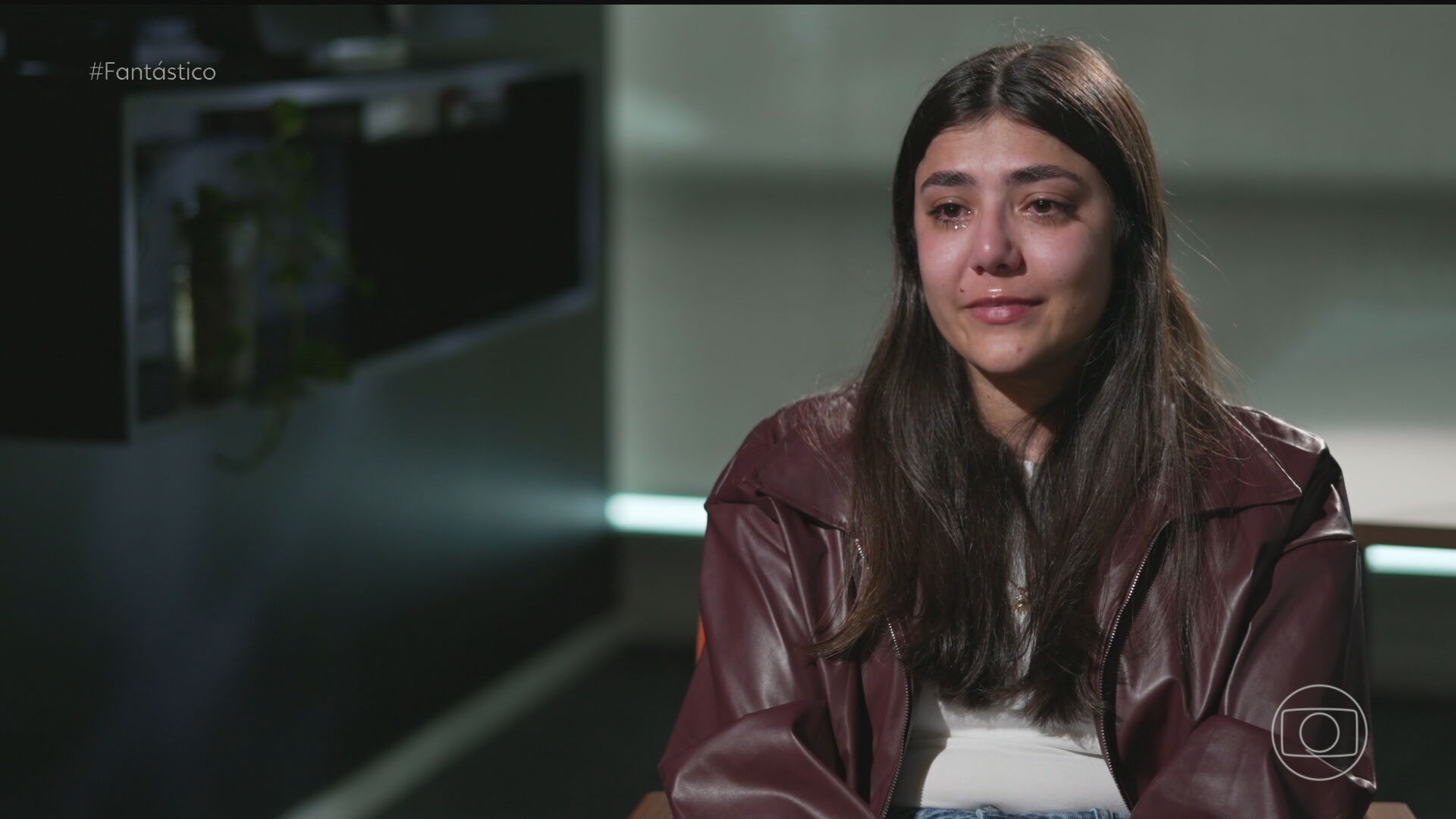
A mother, Patrícia Alves Duque, has denied accusations of physical violence, negligence, and complicity in sexual abuse made by her daughter, Heloísa. Heloísa is pursuing legal action to have her mother's name removed from all official documents, stating that the association causes her significant distress and forces her to relive painful memories. She has already legally changed her name from Larissa and wishes to permanently sever ties with what she describes as a traumatic maternal relationship. Patrícia claims her daughter fabricated these stories to live with her father. Heloísa's allegations include an incident where her mother allegedly set fire to her bed when she was five, which Patrícia attributed to an accidental cigarette. The mother also vehemently denied accusations that she profited from her daughters' sexual abuse, calling them 'inventions.'
Heloísa's claims are supported by records from the Conselho Tutelar, detailing her seeking help for abuse against herself and siblings at age 11. Subsequent social media complaints prompted a Public Ministry investigation into sexual violence, leading to the conviction of two men named by Heloísa. Patrícia was a witness in that case. In 2025, Heloísa filed a new complaint against her mother for domestic violence, complicity in sexual abuse, and stalking, resulting in a protective order requiring Patrícia to maintain a 500-meter distance. The mother has not yet been formally questioned as she has not been located by authorities. While a court allowed Heloísa to change her first name and remove her mother's surname, the request to completely erase her mother's name from civil records was denied due to a lack of legal precedent, though the court acknowledged the severity of the reported abuse. Heloísa is appealing this decision.
This case highlights the complex interplay between personal trauma, legal recourse, and the limitations of civil record modification. The daughter's pursuit to legally erase her maternal identity underscores the profound impact of alleged abuse and the desire for a complete personal reset. However, the legal system's current framework prioritizes established civil registry principles over individual requests for historical erasure, even when substantiated by severe allegations. This creates a tension between the need for psychological closure and the preservation of legal documentation. Future legal reforms may need to consider mechanisms for individuals to address deeply traumatic familial ties in official records, balancing the right to personal autonomy with the integrity of civil documentation. The mother's denial and counter-narrative, while potentially self-serving, also points to the challenges in definitively proving historical events and the subjective nature of memory and interpretation, particularly when legal and personal stakes are high.
AI-generated to prompt reflection — not editorial opinion, not advice, not a statement of fact. How this works.