Mother donates daughter's first haircut to hospital after high-risk pregnancy promise
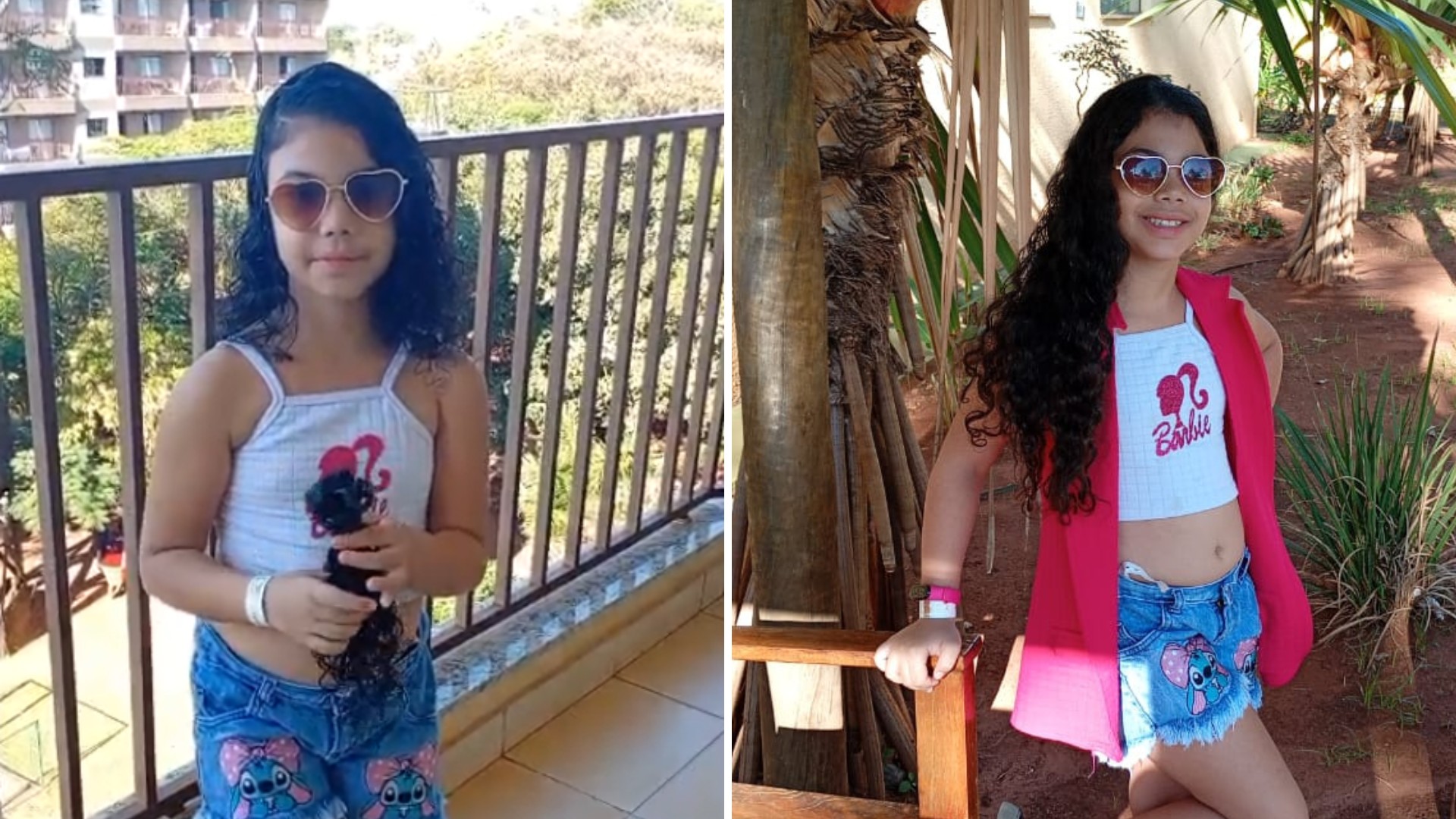
Luciene Silva Liberato, a resident of Bálsamo, São Paulo, fulfilled a promise made during a high-risk pregnancy by cutting her daughter Ana Beatriz Mara Liberato's hair for the first time on her seventh birthday and donating the locks to the Hospital de Amor in Barretos. The pregnancy was deemed high-risk due to premature aging of the placenta, with doctors warning of potential early delivery and prematurity complications. Despite these concerns, the pregnancy was extended to 36 weeks, and Ana Beatriz was born on June 26, 2019, weighing 2.226 kilograms. Luciene had vowed to God that if her daughter was born healthy and could go home with her, she would not cut Ana Beatriz's hair until she turned seven, after which the hair would be donated. The seven-year-old's hair had grown significantly, sometimes hindering daily activities, but the family remained committed to the promise. The donation was made to the hospital's pediatric sector, which uses hair to create wigs for children undergoing cancer treatment. Luciene expressed a sense of accomplishment and gratitude, hoping the donation would inspire others to practice solidarity and help another child.
This narrative highlights a mother's profound commitment, linking a personal promise made during a period of medical uncertainty to a charitable act. The story underscores the emotional and psychological significance of such vows, particularly when tied to the health and well-being of a child. From a systemic perspective, the donation directly supports initiatives providing essential resources, like wigs, to vulnerable pediatric patients undergoing difficult treatments. This act of individual generosity, while deeply personal, taps into broader societal values of empathy and mutual support, demonstrating how personal experiences can translate into tangible aid for healthcare systems and those they serve. It also implicitly acknowledges the ongoing need for such contributions to supplement the services provided by medical institutions.
AI-generated to prompt reflection — not editorial opinion, not advice, not a statement of fact. How this works.