Mother Invents Protective Device for Gastrostomy Patients After Son's Health Struggles
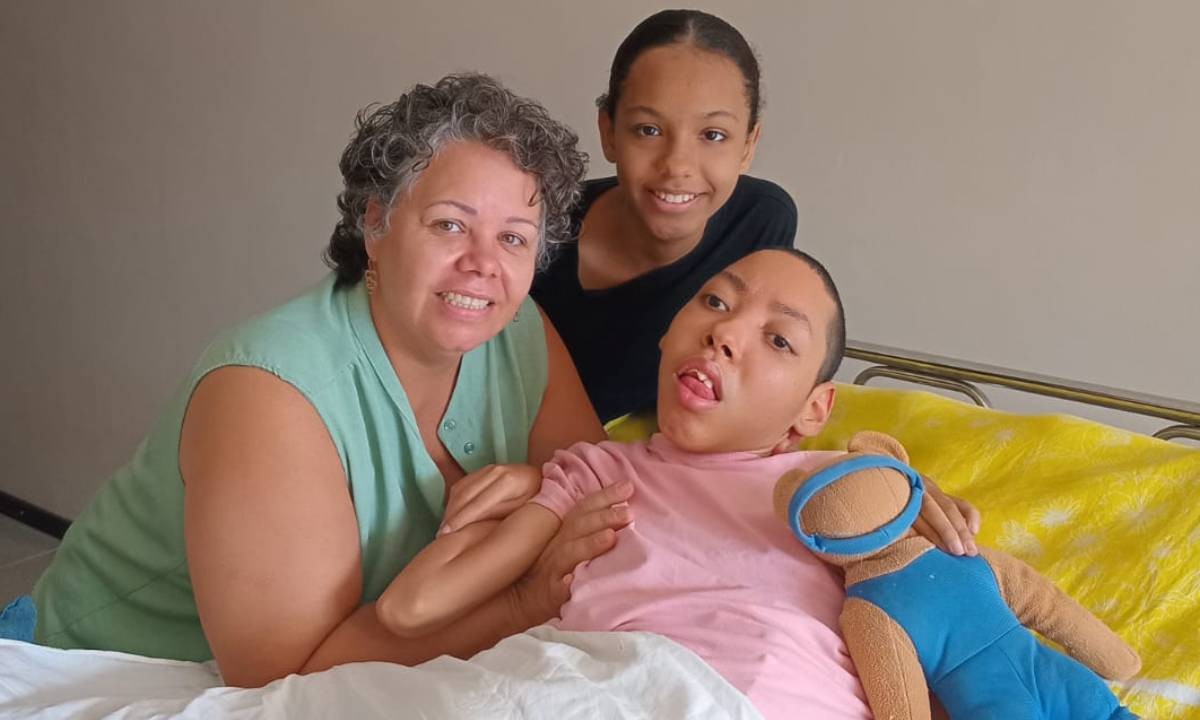
Nilza Carla Leal, a mother from Bahia, Brazil, developed a dermal absorbent device called JO+ to protect the skin of gastrostomy patients, inspired by her son João Pedro's health challenges. João Pedro, who has cerebral palsy since birth, suffered from constant injuries due to his gastrostomy, a procedure involving a feeding and medication tube inserted into the stomach. These injuries led to frequent hospitalizations and even accusations of mistreatment against Nilza Carla, prompting her to seek solutions. Initially studying humanities, Nilza Carla shifted her academic focus to health and science fields in 2009, starting with nursing technique, followed by biology. She pursued her education diligently, even studying during João Pedro's hospital stays, and is now a researcher, nursing technician, biologist, and pursuing a master's degree. The JO+ device, named in honor of her son, is designed to absorb gastric fluids before they reach the skin, preventing irritation and offering a better quality of life for patients and caregivers. It uses polyurethane material imported from China, with a production cost of R$4.90 per unit, though patients may need up to six per day. Nilza Carla is currently seeking funding to scale production and commercialize the device, aiming to eventually establish a factory to produce her own raw materials and reduce costs. She faces challenges with funding applications due to current revenue requirements, hindering her ability to bring the JO+ to market.
This narrative highlights an individual's innovative response to a critical unmet need in patient care, driven by personal experience. The development of the JO+ device addresses a significant challenge in gastrostomy management, offering a potential improvement in patient comfort and caregiver burden. The inventor's transition from humanities to health sciences, coupled with her persistent pursuit of education despite personal hardships, underscores a strong commitment to problem-solving. Future challenges will likely involve navigating regulatory pathways, securing sustainable funding for large-scale production, and demonstrating cost-effectiveness to healthcare systems and insurers. The long-term success of JO+ may depend on its ability to integrate into existing clinical protocols and prove superior to current standard practices in preventing skin breakdown and improving patient outcomes.
AI-generated to prompt reflection — not editorial opinion, not advice, not a statement of fact. How this works.